
LEY LINES 12: Tapestries, Artificial Gods, And The Silence Of Space

Greetings, Wanderer.
Welcome back to Ley Lines, a regular series of miscellaneous things that I come across that interest, inspire, or intrigue me. Writing these posts is part of an active of being a more conscious consumer of what I read or observe, and is also just ongoing practice of writing and sharing.
The Artificial Intelligence God’s Of Our Future Will Sentence Those Worked Against Them To Virtual Hell A few year ago (in 2010, what feels like a lifetime ago based on the sped of current AI and political discourse), a fellow named Roko wrote a post on a forum with a bit of a thought experiment: Assuming that we were able to create a true Artificial Intelligence, would this godlike-AI work to punish those who knew of it’s existence, but didn’t work to bring it to life. It would do so by creating virtual versions of these people, even posthumously, and torturing them.
The idea is called “Roko’s Basilisk” and was considered so controversial that it was removed from the forum where it first appeared.
LessWrong has a write-up on it :
“…... The argument was called a "basilisk" --named after the legendary reptile who can cause death with a single glance--because merely hearing the argument would supposedly put you at risk of torture from this hypothetical agent. A basilisk in this context is any information that harms or endangers the people who hear it.”
And:
“Less Wrong's founder, Eliezer Yudkowsky, banned discussion of Roko's basilisk on the blog for several years as part of a general site policy against spreading potential information hazards. This had the opposite of its intended effect: a number of outside websites began sharing information about Roko's basilisk, as the ban attracted attention to this taboo topic. Websites like RationalWiki spread the assumption that Roko's basilisk had been banned because Less Wrong users accepted the argument; thus many criticisms of Less Wrong cite Roko's basilisk as evidence that the site's users have unconventional and wrong-headed beliefs.”
More on this on LessWrong here.
If this concept interests you, I suggest reading Surface Detail by Iain Banks, which deals with the idea of virtual hells quite extensively.
I also suggested that one of the jobs of the future might be working as a “cyber prison guard” (or screw, as the kids say). Perhaps these people might be employed by our AI overlords.
Ad Astra’s Slow Motion Action Is Best Enjoyed With Scotch
It’s hard to think that a movie about travelling through the solar system in a race against time with stops at 3+ planets would be anything but fast. Ad Astra, however, manages to move at what feels like a glacial pace.
It’s laden with cliches.
The plot, particularly in hindsight, is predictable.
The religious overtones feel odd.
Despite all of that, Ad Astra is one of my favourite movies. Maybe not Top 10, but 20. At least 25.
First of all, it’s beautiful. It feels slow because there are so many drawn out shots of just humanity exploring space, and the silence that goes with it. Every frame of the movie feels like a shot from an official NASA video.
Secondly, the rover chase scene is perfectly done: the awe as they look around themselves, the gazing (glazing?) at Earth, the suddenness of the attack and noiseless brutality of it.
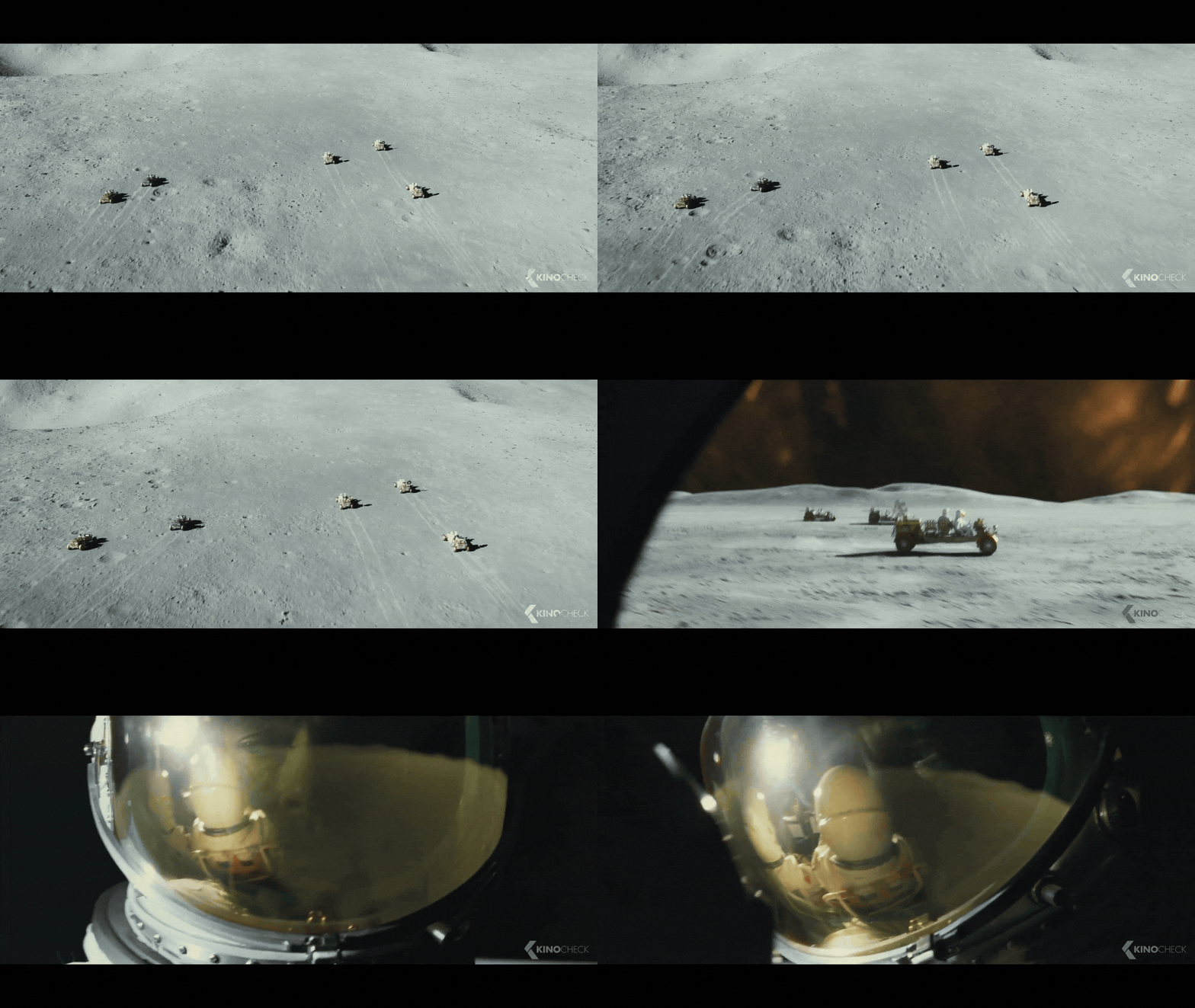
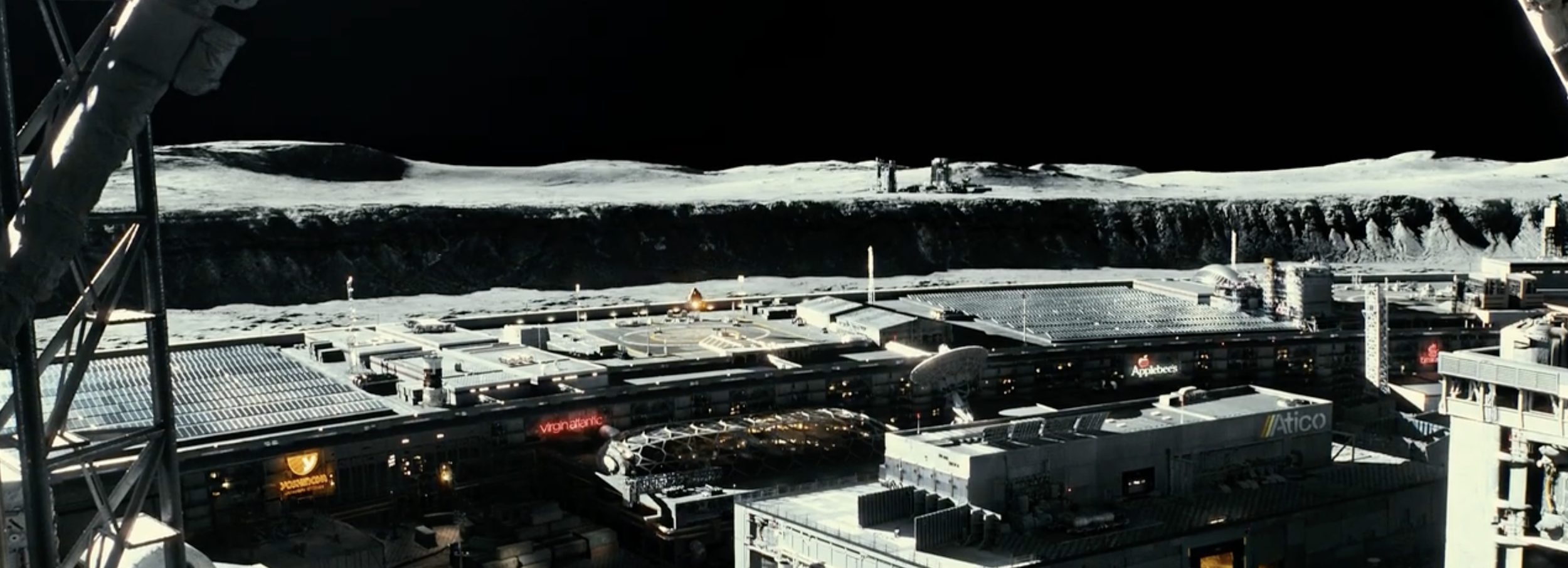
Watch the trailer for Ad Astra.
(For those who care, I drank Ardbeg 10 while I watched it)
Gaze Upon One Of The Greatest Human Artifacts In History
There is something beautiful about humanity in how we use our own ancient artifacts to understand ourselves. The Bayeaux Tapestry, almost 1,000 years old, is an example of this.
I think about just how many scholars have devoted their lives to studying this piece of cloth, or ones like it, to piece together the story of how it was made and what it means.
So, besides being a well-preserved ancient artefact that tells the story of a pivotal moment in (Western) history, it also features Halley’s Comet. And again, like imagining how this piece of fabric connects us across time and space, so does Halley’s Comet: something that’s been view by almost every human generation.
View the entire tapestry here.
The Bayeaux Tapestry Guardian article (shout out to my mom for telling me about it :-) ).
Then enjoy this short skit about client feedback and the tapestry.
PS: Now that I’ve spent a few hours reading about, I can’t wait to be an “Actually, it’s an embroidery rather than a tapestry” guy.
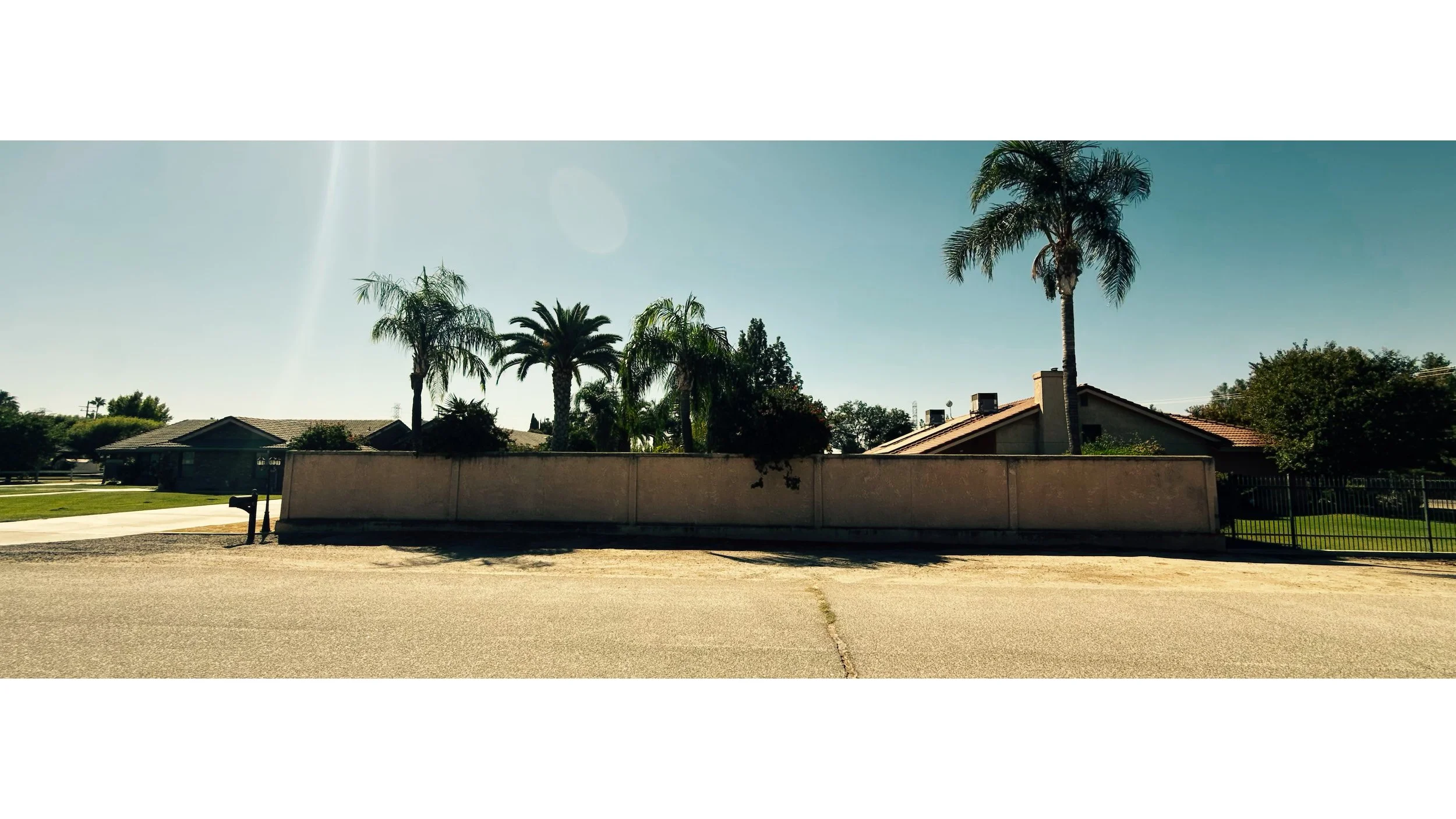
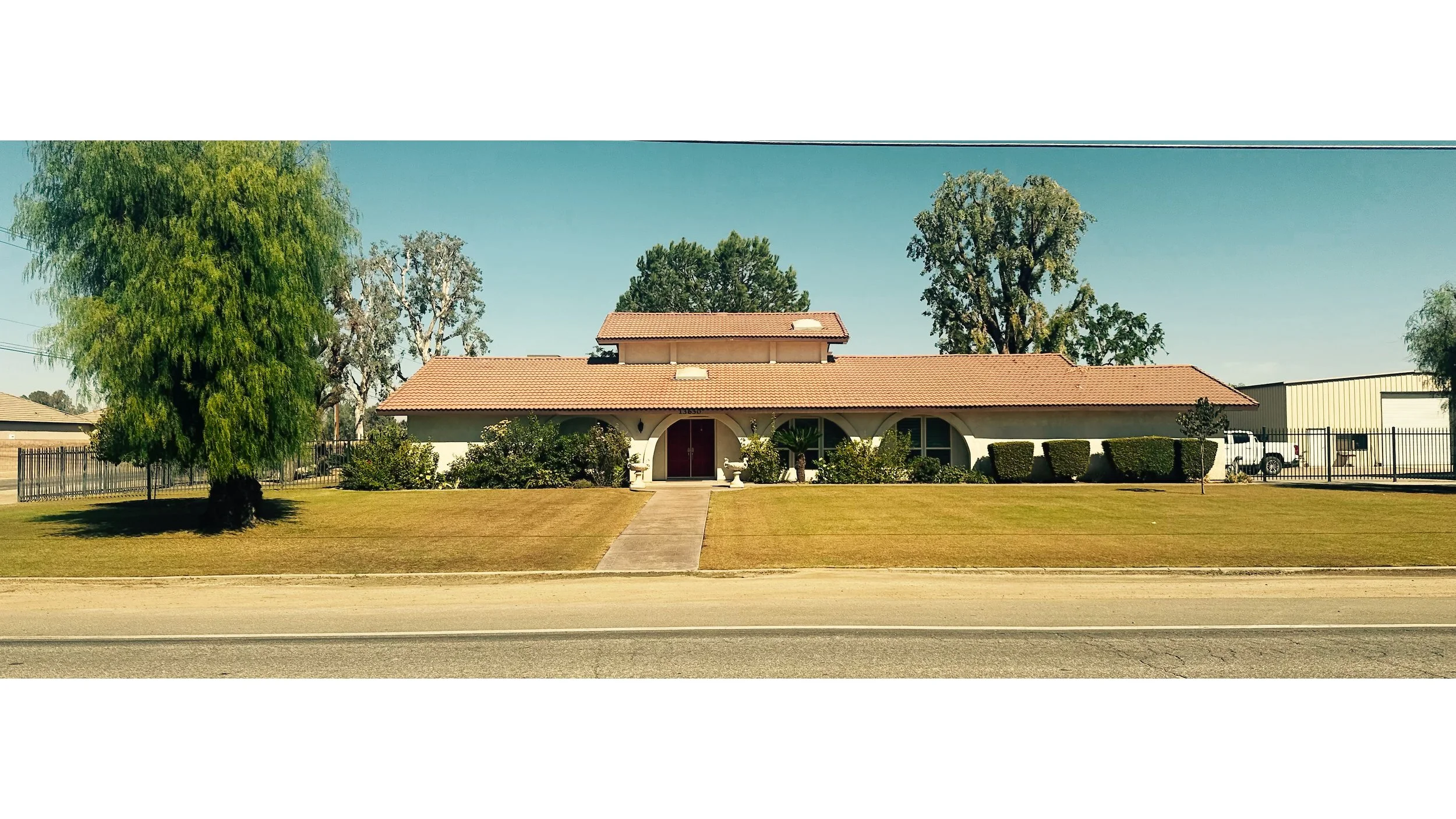
The California Desert Is Hot, Dusty, And Beautiful A few weeks ago I went to Bakersfield, California to to visit my in-laws.
A few observations on the place:
There was a kind of surreality to the entire place for me that I’ve been trying to understand.
I think part of it was about just how quiet the entire city felt. Maybe it was the heat, or the car-centric culture, or simply because of how spread out the population is.
I didn’t see anyone walking on the streets, or hear or see the neighbours at the places we visited.
Another thing I thought that was interesting was just how much infrastructure seemed visible. There is, of course, the famous California highways. But in addition to that there were high-voltage powerlines nearly everywhere, and quite often we saw working oil pumps in the city.
I’d love to go back and spend more time there. The in-laws I met were all super great, and while I think that speaks for the family I think it’s also likely the same for people of the area.
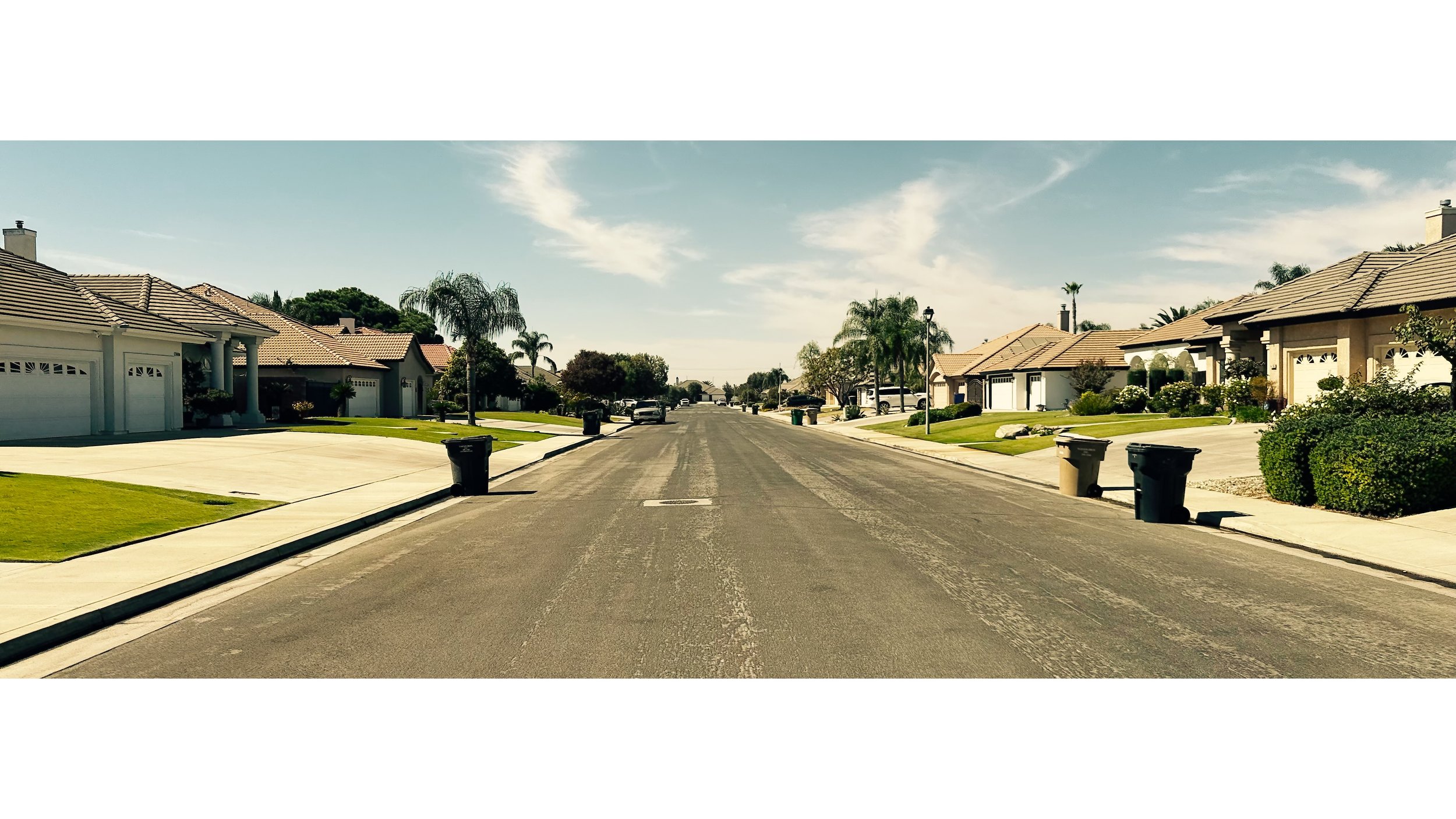
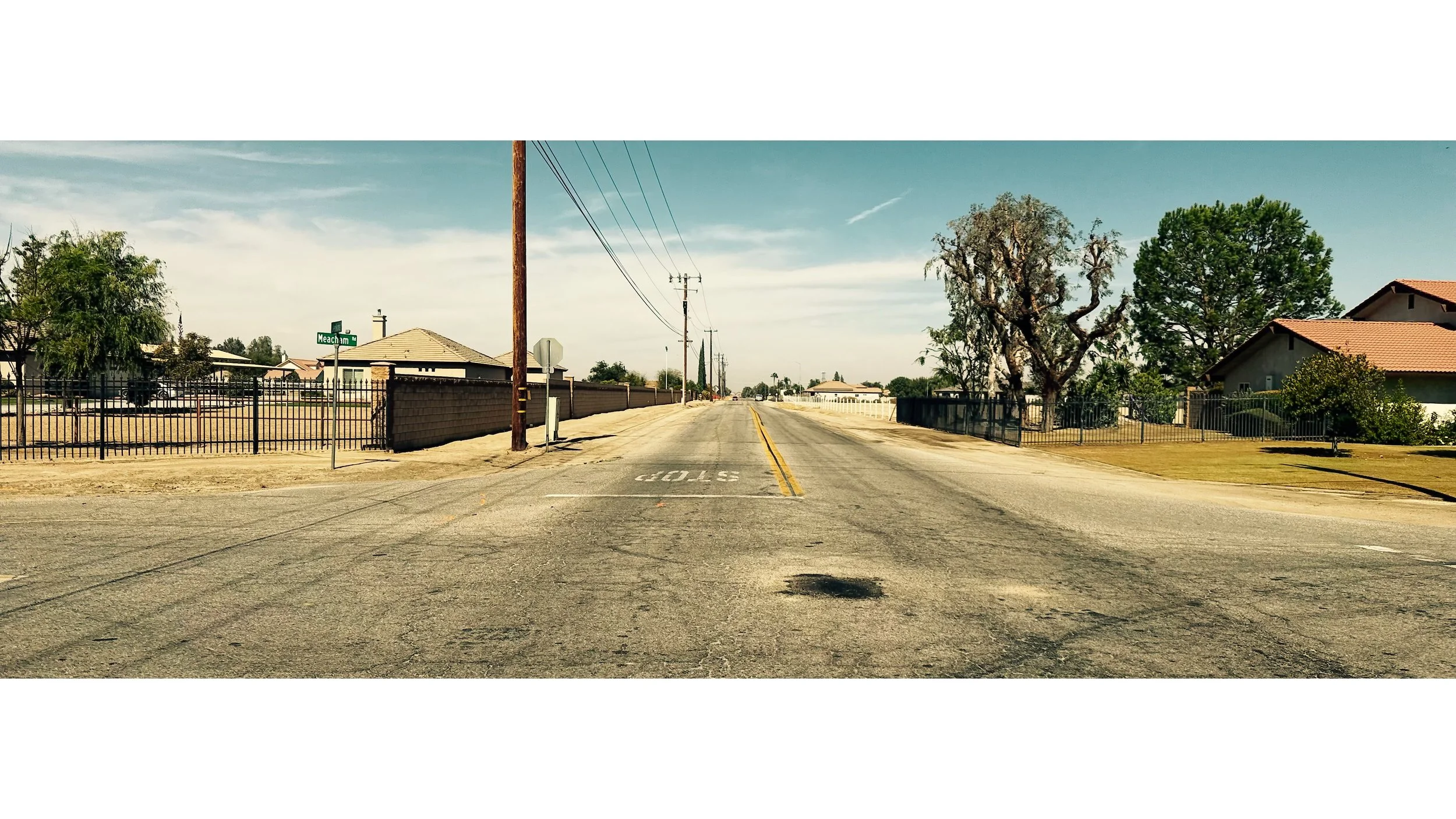
Also the airport there didn’t have a bar. There was a Blimpie that served beer and just gave it to you in a plastic cup to drink as you walked around.
I liked that.
And Finally: This Is The World’s Most Perfect Meme


Come for another review for a movie that came out years ago, stay for an exploration of art history and Bart Simpson memes.