
LEY LINES 11

Greetings, Wanderer.
Welcome back to Ley Lines, a regular series of miscellaneous things that I come across that interest, inspire, or intrigue me. Writing these posts is part of an active of being a more conscious consumer of what I read or observe, and is also just ongoing practice of writing and sharing.
Note: I’ve had a few new readers/subscribers lately. If you’re one of those people I’d love it if you took a look at a few longer pieces I’ve written lately:
Two Strange Versions Of "Oh Darling Clementine” Over the last few weeks my 2.5 year old son started singing the song “Oh My Darling Clementine.” It was strange, because neither my partner nor I have never played the song in the house, nor have we been anywhere we thought he might have heard it. We chalk it up to it being played (or sung) at his daycare.
It did make me dig into the song a bit more to so that I could learn the actual lyrics and to show my son a video of people singing it. The first thing I learned was that it is it’s actually a parody of music from the time or before the time, and is intentionally overly emotional and dramatic. So I guess people from the 1860s (when it was written) had a sense of humour also? Who knew.
There are some great versions of it…The first of which is also this delightfully odd version by a group called The Sweptaways.

The second most interesting version is one sung by a group of Ituri pygmies, who inhabit a part of the Congo rainforest, that was recorded by a British ethnographer in 1961. Apparently they sang it when he asked them to sing one of their oldest songs.
You can hear it here
The Fascist Cult Of Irish Women That Made Video Games In The 1980s Over the last few years I’ve met a lot of Irish people in Vancouver, and that’s drive my Instagram algorithm to skew slightly towards their country, culture, and beer. One of the accounts that pops up regularly is District Magazine, and they recently had a fascinating post about “The All-Women Cult From Donegal That Pioneered Irish Video Game Design.”
It’s a compelling headline, and even more compelling story once you get into the details. The “cult” was an organization of women who lived together in a household that was matriarchal, but also incredibly hierarchal. They seem to have gone through a few different names in their time before eventually settling on “St. Bride’s School,” a name under which they offered adult women “the experience of attending an old-fashioned English boarding school.” The clip on the Instagram post is unsettling.
But when they weren’t doing that, they were apparently designing and coding early video games.
The Flexible Head blog tries to get to the bottom of it, and the story gets increasingly weird:
“After a tortuous journey that hadn’t looked tricky on the map, he wondered if he hadn’t fallen through a time warp, arriving at a place that didn’t even have electric lights. Incumbent computer programmers seemed unlikely.
The anachronism is explained to some extent by the arrival as a “pupil” of Priscilla Langridge, who, the story goes, heretically brought a Commodore 64 with her and apparently found the school’s only plug socket. “Langridge” (her real name at the time) had responded to one of the newspaper advertisements offering idiosyncratic escape from normality for £120 a week, and had bought into the fantasy enough that she’d stayed on. Martindale was initially sceptical about the computer, but Langridge told Minson “she realised that unlike television, which she thinks is passive and mind-rotting, computer games call for concentration and commitment”.
“The All-Women Cult From Donegal That Pioneered Irish Video Game Design.” on District Magazine
More on St. Bride’s School from Flexible Head Blog
And lastly…apparently they were also Nazis?
The Hacker Prince Of Finland Evil corporations, pervasive surveillance state, rogue AIs, rampant corruption, robots, and an out-of-control celebrity culture make it feel that the cyberpunk nightmares of the 80s are alive and well in 2026.
What’s generally missing from that is actual hackers. I’m sure they exist *(cybercime, as a category) is rampant, but not at the larger-than-life scale that is the fodder for books.
Aleksander Kivimäki might be one of those rare exceptions, and I only know about him because an arrest warrant has been issued for him. He’s apparently behind the largest criminal case in Finnish history, was on the run for years (and living in a villa in Europe), and seems to consistently make the news for escaping arrest.
I don’t condone the sort of exploitive or illegal hacking that Kivimäki was conducting. But I do like stories of interesting illegal activity. For the most part (but definitely not all), his enemies and targets were corporations.
Finnish police extend search for Vastaamo hacker Aleksanteri Kivimäki across Europe
If you want more real-life crime stories from the Finns and the Swedes then I recommend reading up on the “Nordic Biker War.”
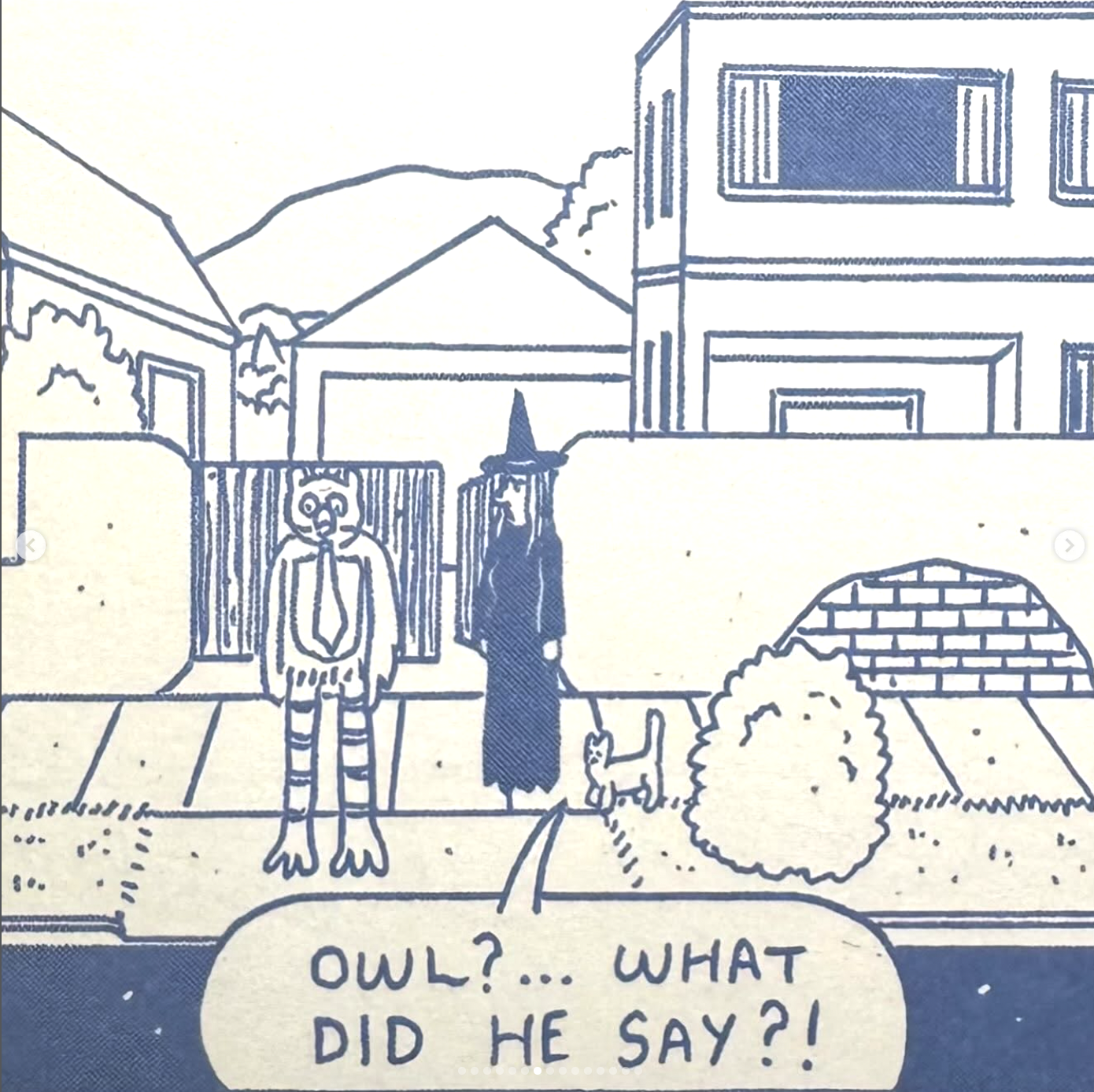
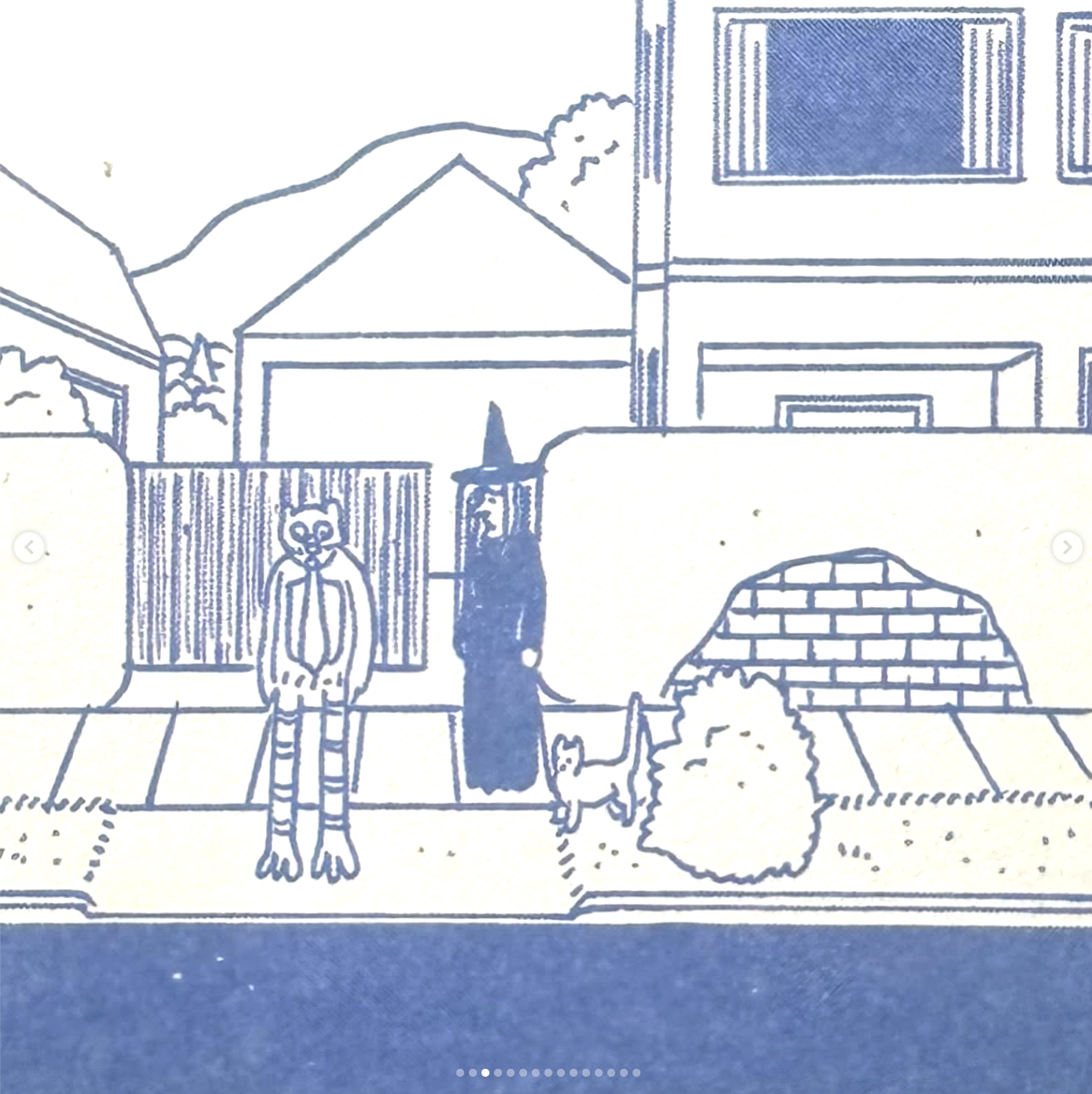
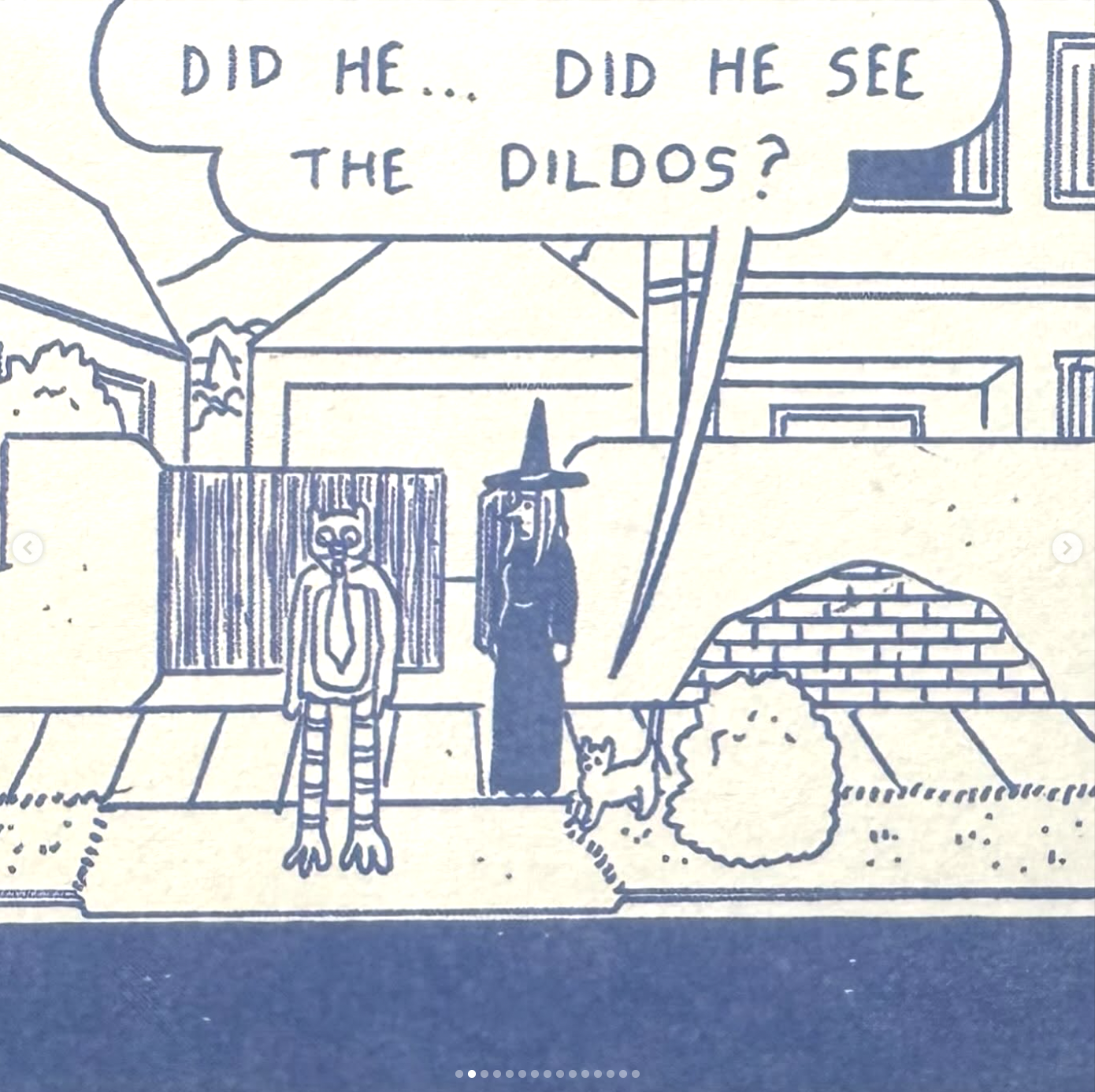
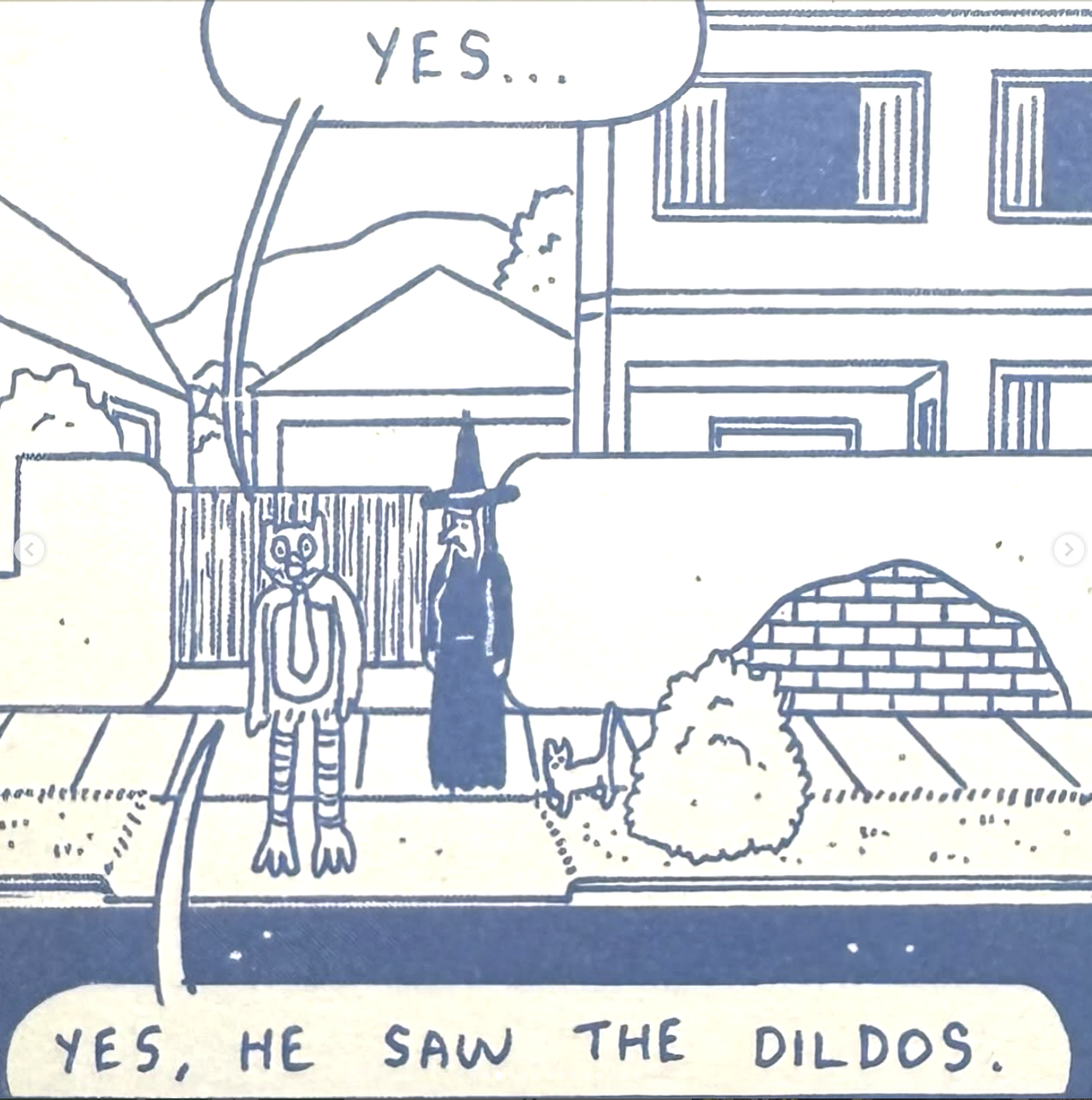
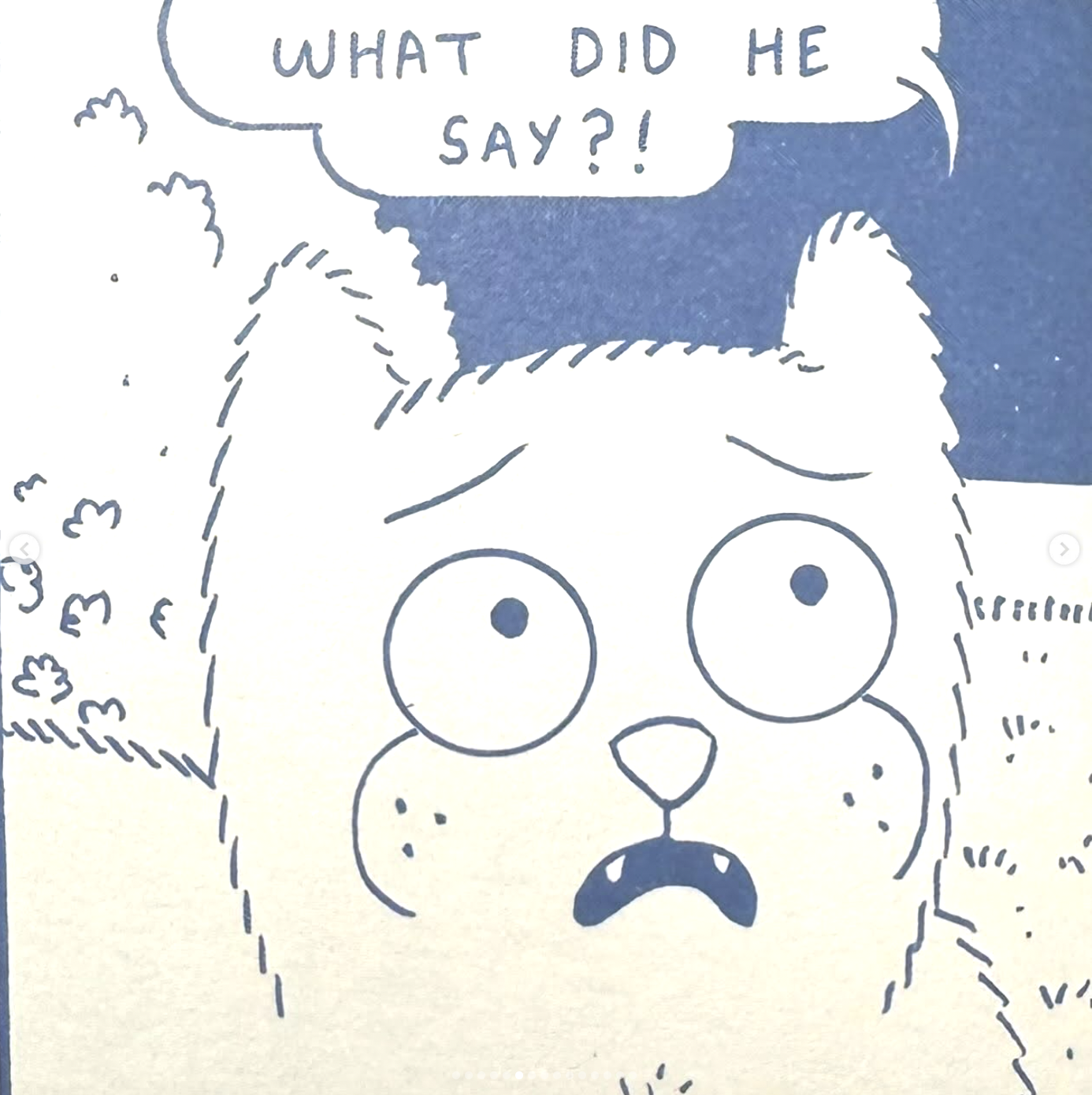
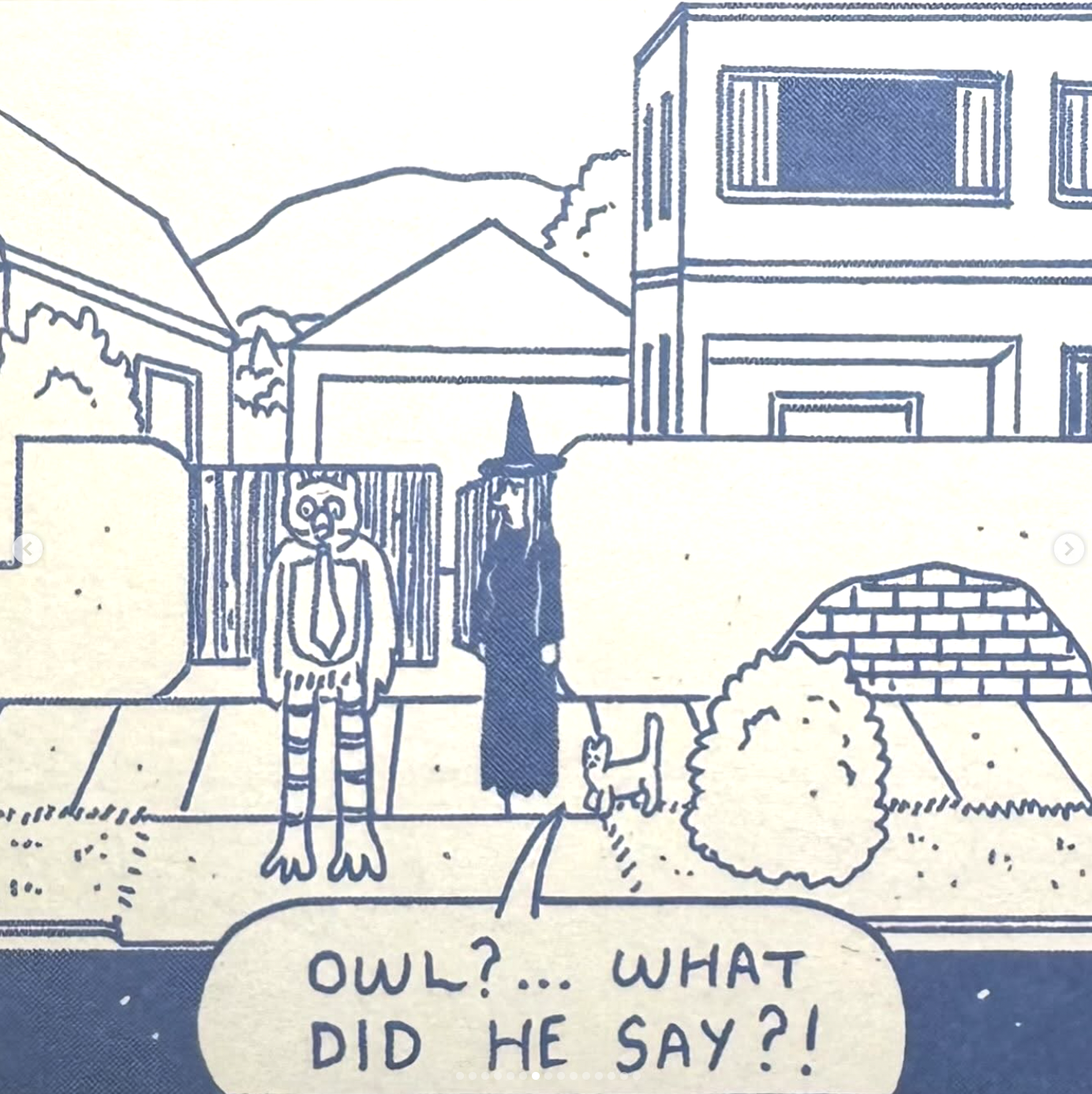
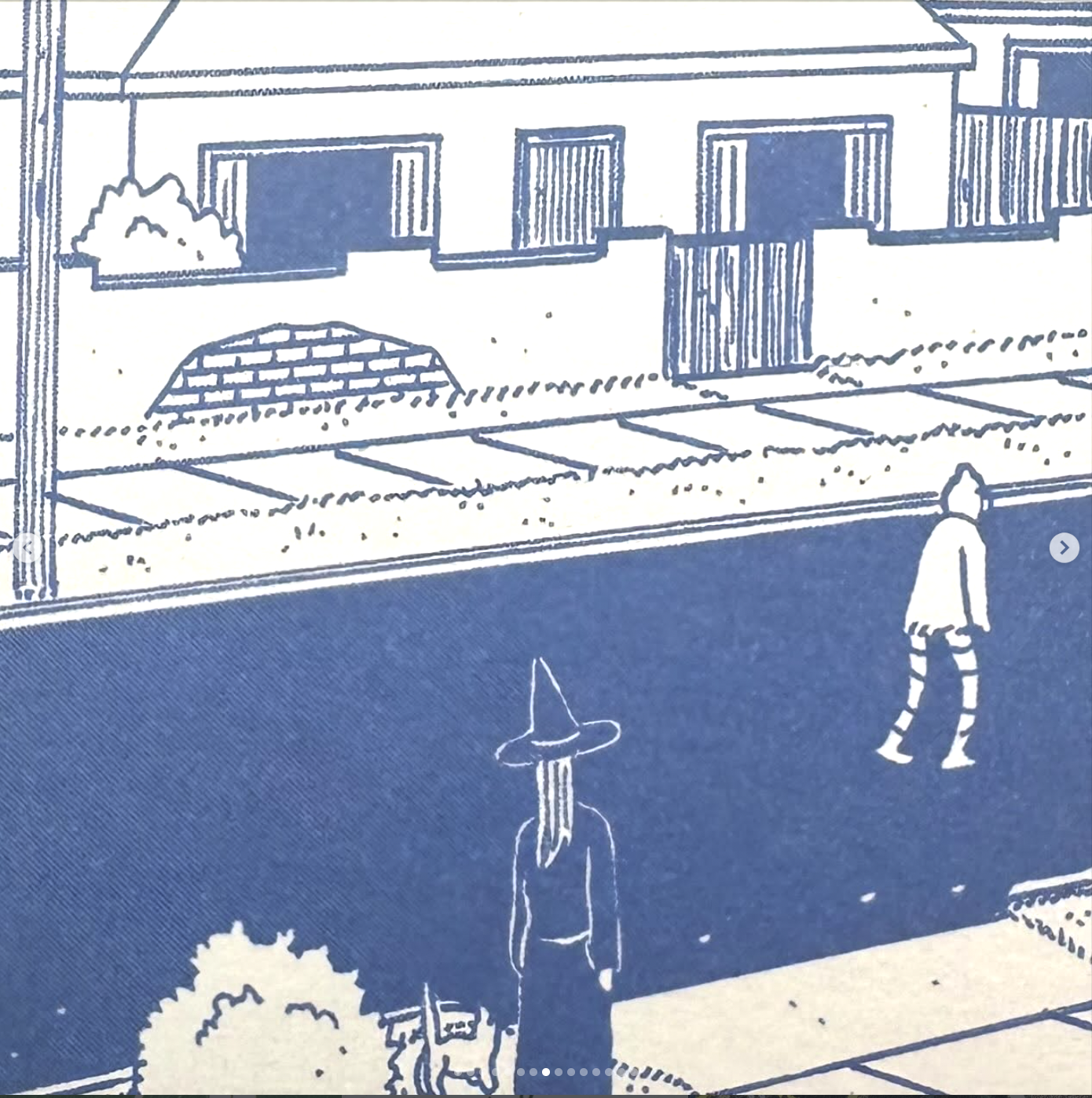
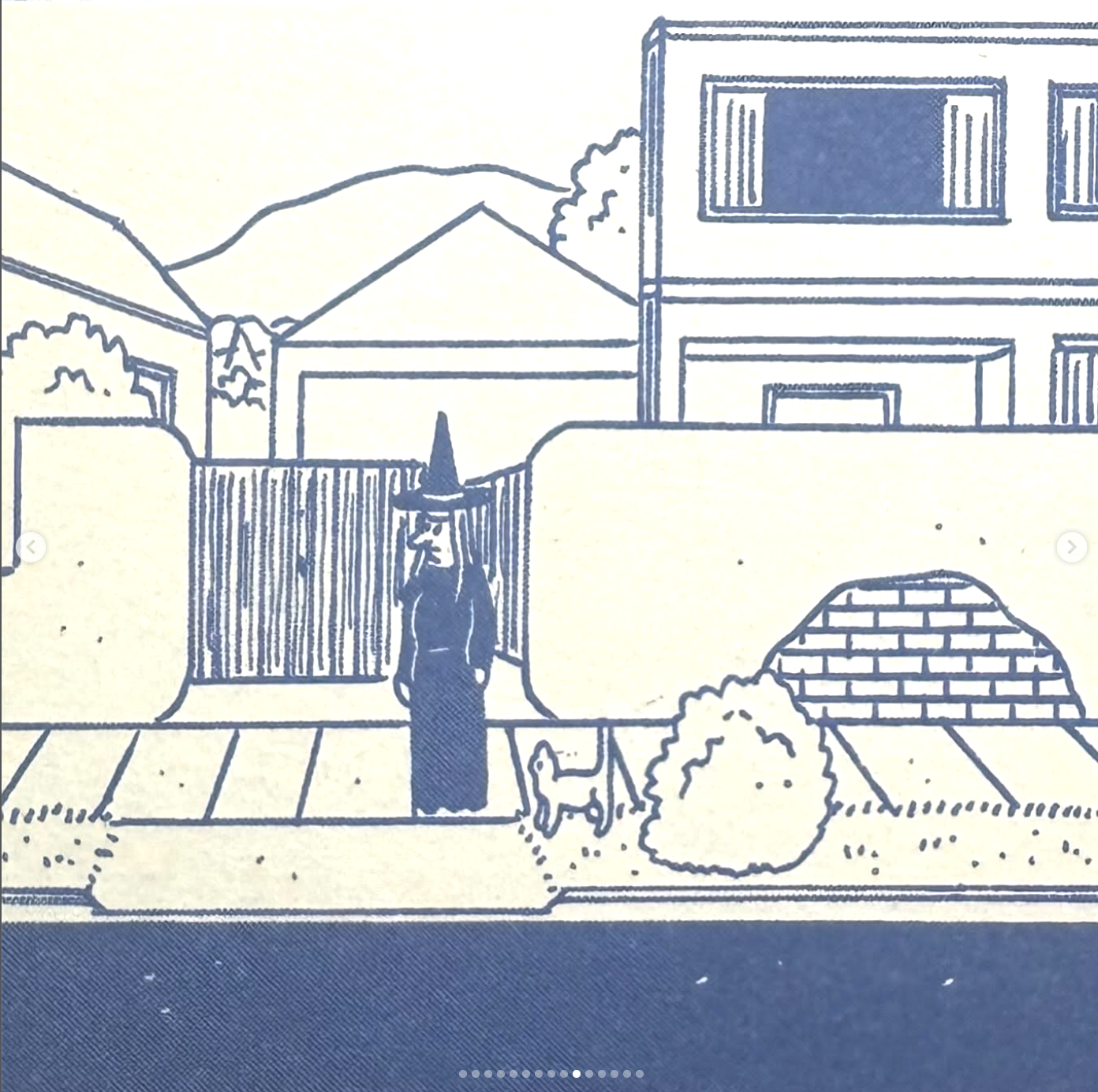
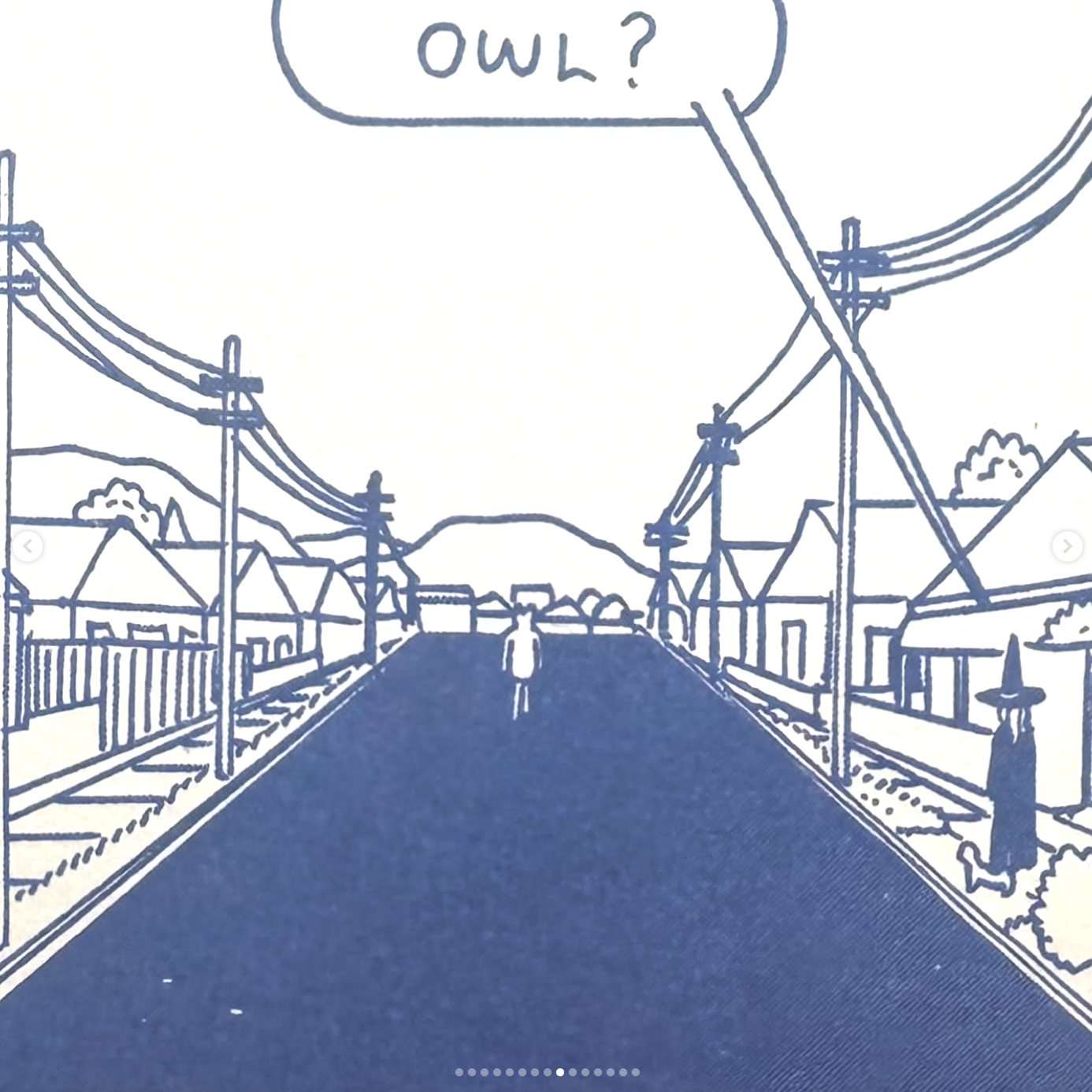
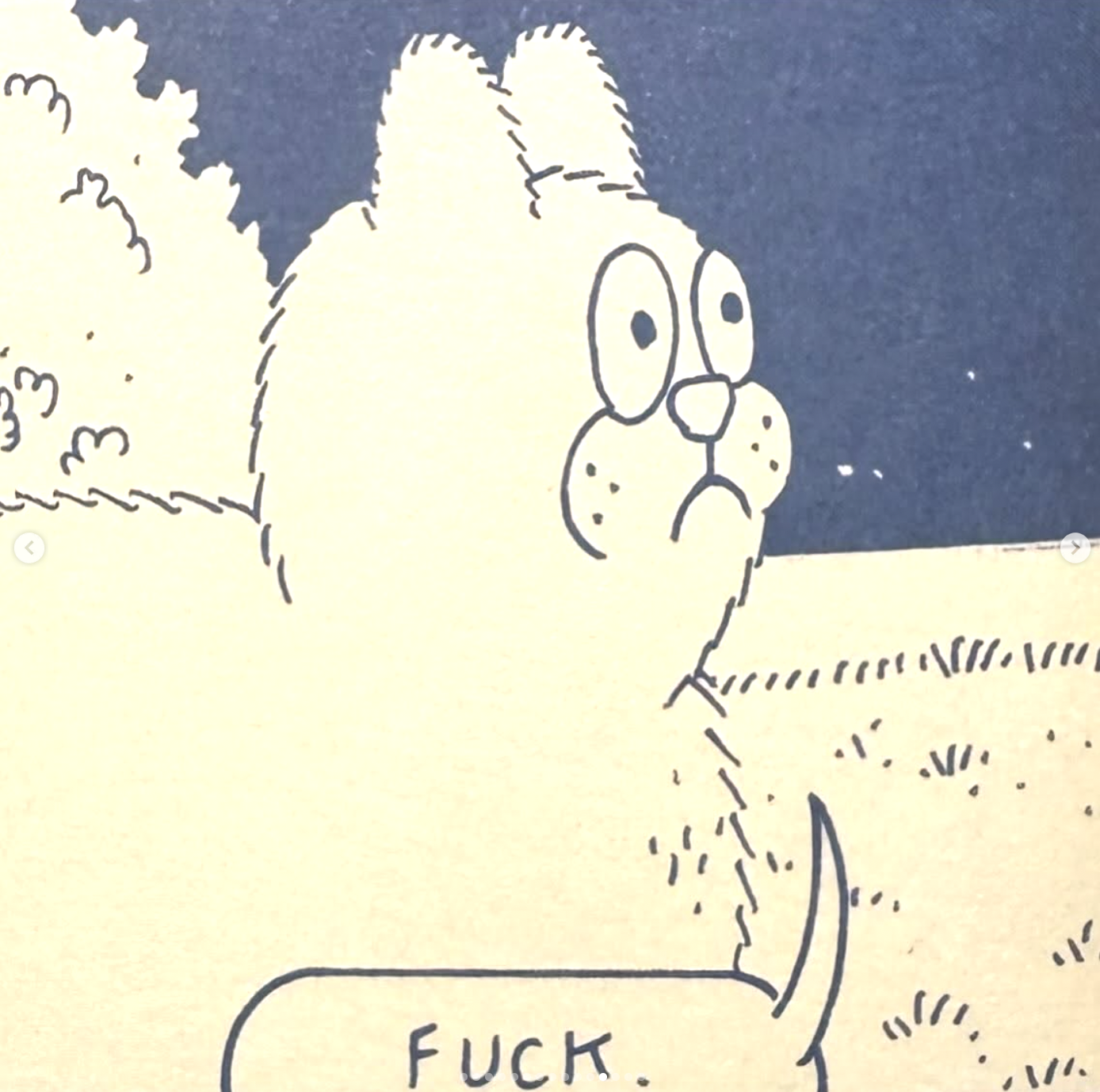
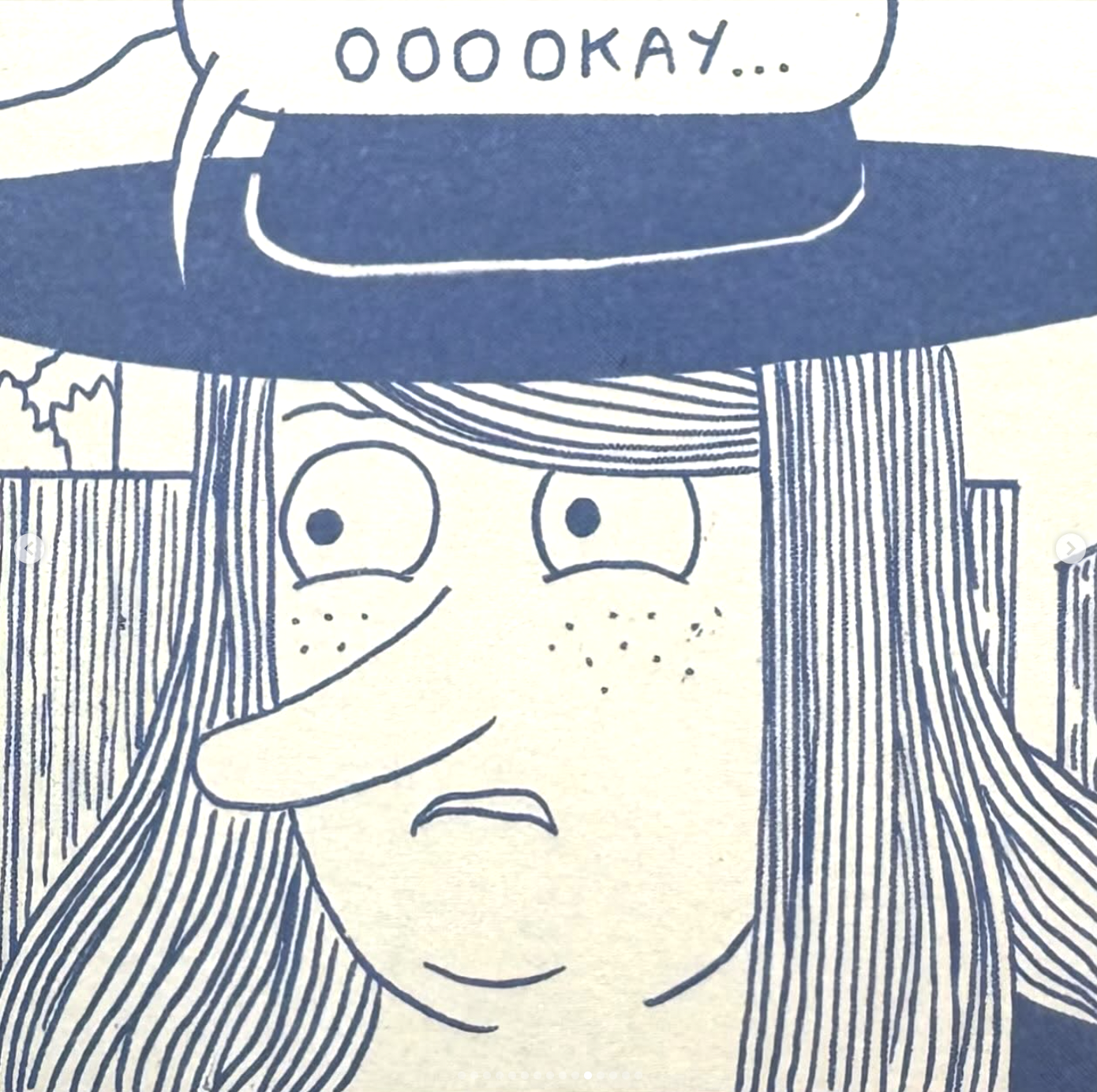
The Best Comic You’re Not Reading Is About A Witch, A Werewolf, And An Owl Simon Hanselman’s comic series “Megg & Mogg” is one of my favourite things on Instagram right now.
On the surface, it’s about an extremely depraved group of friends who just happen to be an owl, a werewolf, a witch, and a cat. They do drugs. They steal. They’re rude. They’re generally awful people.

It’s about more than just partying, puking and sex toys, though. It’s a story about how friendships shift and shape-shift throughout our lives.
And it’s clear that the author/illustrator has a cinematic mindset. Some of the scenes are played for short laughs and jokes, which makes the longer, drawn-out moments between the characters (or the characters alone) all the more impactful. We can feel them contemplating their own bad decisions.
The illustrations are simple. The layouts and movement from panel to panel are complex.
‘Slow Gods’ Deserves A Longer Review I think that the sign of a good book is that you’re willing to give up other activities to read it: you stay up late and forego sleep, you get up early, you avoid plans.
Slow Gods is one of those books for me. It likely isn’t one of those books for you.
I once wrote before “I like slow-moving books. I like subtle world-building. I like “big concept” sci-fi. I like big, depressing spaceships. I like stories about robots and Artificial Intelligence that make us question what it means to be human. and Slow Gods is exactly all of that.
The author - Claire North - seems to normally write fantasy,* and this comes across in a few missed steps about how hard sci-fi fans might see things. But it also means that the entire story has more of a mythical quality, and that mystery and the titular Slow Gods, rather than science and technology take a front seat.
It also means that Faster-Than-Light travel is one of the more unique ways of describing it that I’ve read (no spoilers, but if you like Event Horizon you’ll dig the way she describes ‘arcspace’.), and in a way that influences the plot and main character.
Go find Slow Gods by Claire North at your local bookstore.
*Yes - to answer the question you’re asking: there is a big difference between Sci-Fi and Fantasy. There’s a lot of overlap, but a lot of differences. Fodder for another post.

Hackers, Werewolves, Songs, And A Book Review