
For most of the last 100 years the world has lived with the terrible knowledge that we are one button press away from completely annihilating ourselves. Since 1950, The Doomsday Clock has been a grim reminder of what we have created.
And if you're the same age as me you likely only remember it moving back once, in 2010. And if you're the same as me, you would have had to have a been huge weirdo in 2010 because what 28-year-old is paying close attention the The Doomsday Clock.
I certainly wasn't.
Looking back now, and what we've lived through in those 16 years, and it feels like that might have been a high water mark for who we are.
The New START agreement between Russia and The United States halved the size of their nuclear arsenals, and at the same time the United Nations Climate Change Conference had countries agreeing to limit carbon emissions and commit to keeping global temperature increase to 2 degrees.
We'd emerged from a global recession and were celebrating with a return to innocence and a desire to escape: Toy Story, Alice In Wonderland, Harry Potter, Inception, and fairytales like Shrek 4 topped the box office.
Obama was a new president. Hope was in the air.
Since then things have been getting worse.
And if you're like me you're likely also thinking about how bad it get. What the rock bottom will look like. Or if we'll even know we're there.
We're all thinking about how it ends.
This is what I think will happen.
This Is How It Ends.
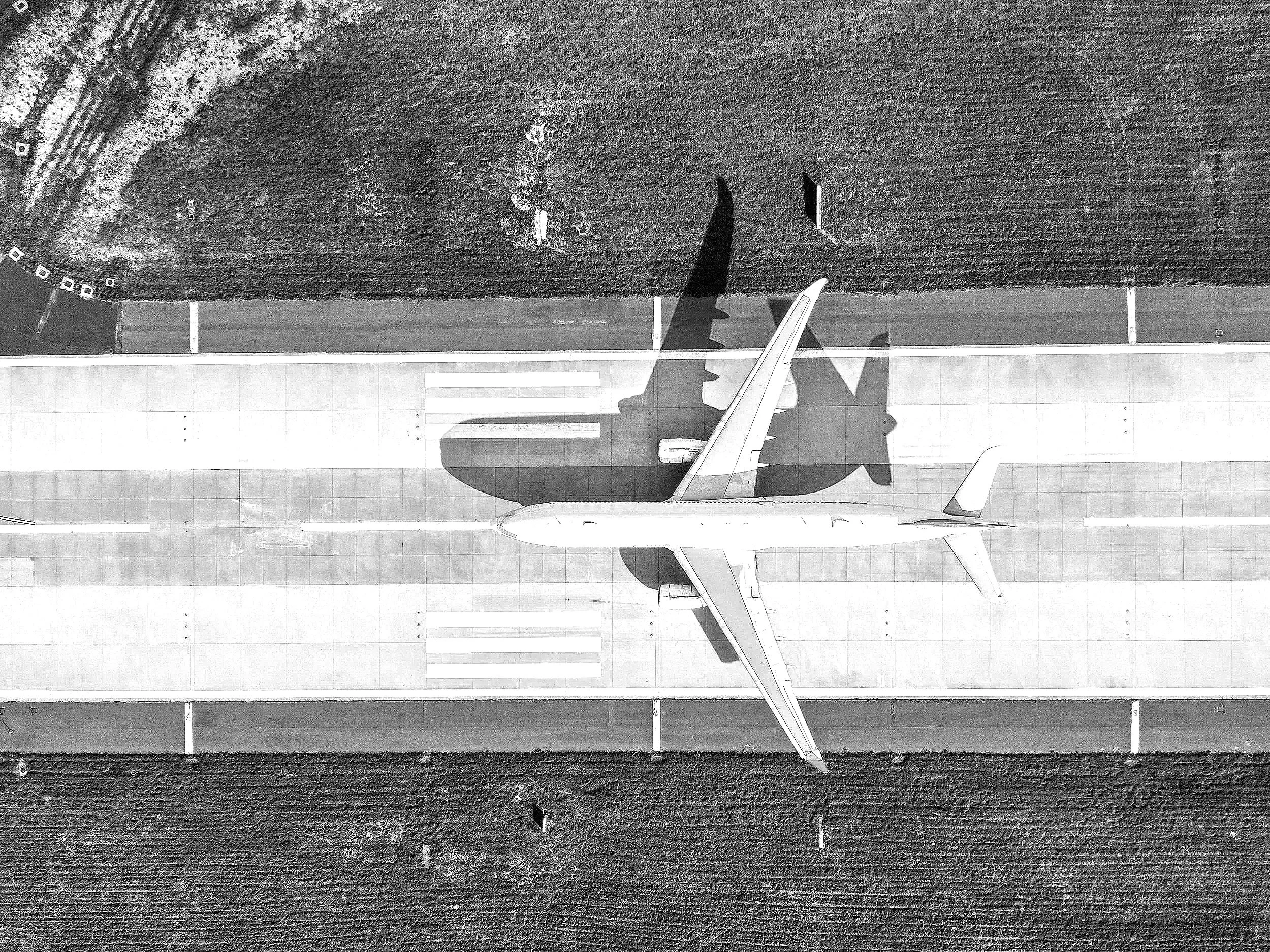
Your friend FaceTimes to tell you that he's stuck at the airport. Audio works, the video is laggy.
Airplanes are grounded. Flights cancelled.
Travellers are stranded.
Some people are sleeping on the floor with sweaters as pillows. Other people are sobbing silently, their shoulders moving up down. Big, snotty gasps, then sniffling.
Everyone looks tired.
The news starts as a ripple, then explodes as the social media hive mind senses this is more than just one place.
As your friend talks, he pans the phone around the airport so you can see the scene:
People are huddled around outlets, their faces reflecting the blue glow of breaking news on their phones. A contradiction: breaking news that never quite breaks, just a rolling mass of new information without resolution.
"What did they say?" you ask.
“Nothing. They don’t know what’s going. They just said aircraft control isn’t letting any flights leave.”
On the runway a single maintenance car speeds along, lights flashing. It’s the only thing moving in the dark outside the windows.
"No one knows when they're going home."
The news stories keep coming in. None of them are directly connected, but it feels like they sit along the same trend line:
A disaster at a Chinese-owned mine in Central Africa. One of those places where the CCP has gone in and traded mineral rights in exchange for developing mass infrastructure: Airports, highways, hospitals, government buildings, water treatment plants. More than 100 people missing or dead. All of them Chinese nationals. It's not until a few days later that the CBTO - The Comprehensive Nuclear Test-Ban Treaty Organization - announces that they have detected the presence of radioactive particles in line with a large-scale nuclear failure at the location. Chinese officials say it’s a power plant. Non-affiliated African nations in the region say that their continent is being used for the production and storage of nuclear weapons.
Researchers working on a joint project between MIT, Pfizer, and a small company that has since been acquired by Lockheed-Martin announces in a series of YouTube videos that they have grown and cultivated human brain and skin cells in something slightly more sophisticated than a petri dish, and connected it to electrodes which in turn are connected to circuitry. The circuits are connected to light, heat, and a saline and sugar solution that drips into the dish. The effect is that the mass of cells is able to choose when it wants energy and food. It can control its environment.
PETA, The Vatican, and various other institutions claiming to represent ethical interests all issue statements.
Comments are closed on the YouTube video and emails sent to the organization go without a reply.
The latest iOS update contains a section of code that causes iPhone batteries to overheat, effectively destroying the phone.
Worse than that, prior to activating that set of instructions it transmits the same code to phones running on older version of iOS by exploiting a vulnerability in Airdrop. More than 20% of the world's mobile devices are suddenly offline. And even more people power down their devices out of fear of the same thing happening to them.

The three leading theories are that he's in hiding, he's had a stroke, or he's dead.
Nothing else explains the series of obviously-AI, obviously-fake videos that have been released. Every single one of them has the artefacts of generative AI, every new video has those artefacts fixed only for new ones to get noticed.
The proof of life just feels more like proof of something, if not death.
On top of the uncertainty is the quality of the videos. The cracks in the simulation shouldn't be there if there were actual resources and experts in charge. It would be flawless.
It's hard to know what's worse: That the people in control have such terrible technology that we can tell. Or that they just don't care to make it better, that we all know there is nothing we can do about it.
We just simply accept it as part of the current reality. A world leader that we've all just decided to agree doesn't exist.
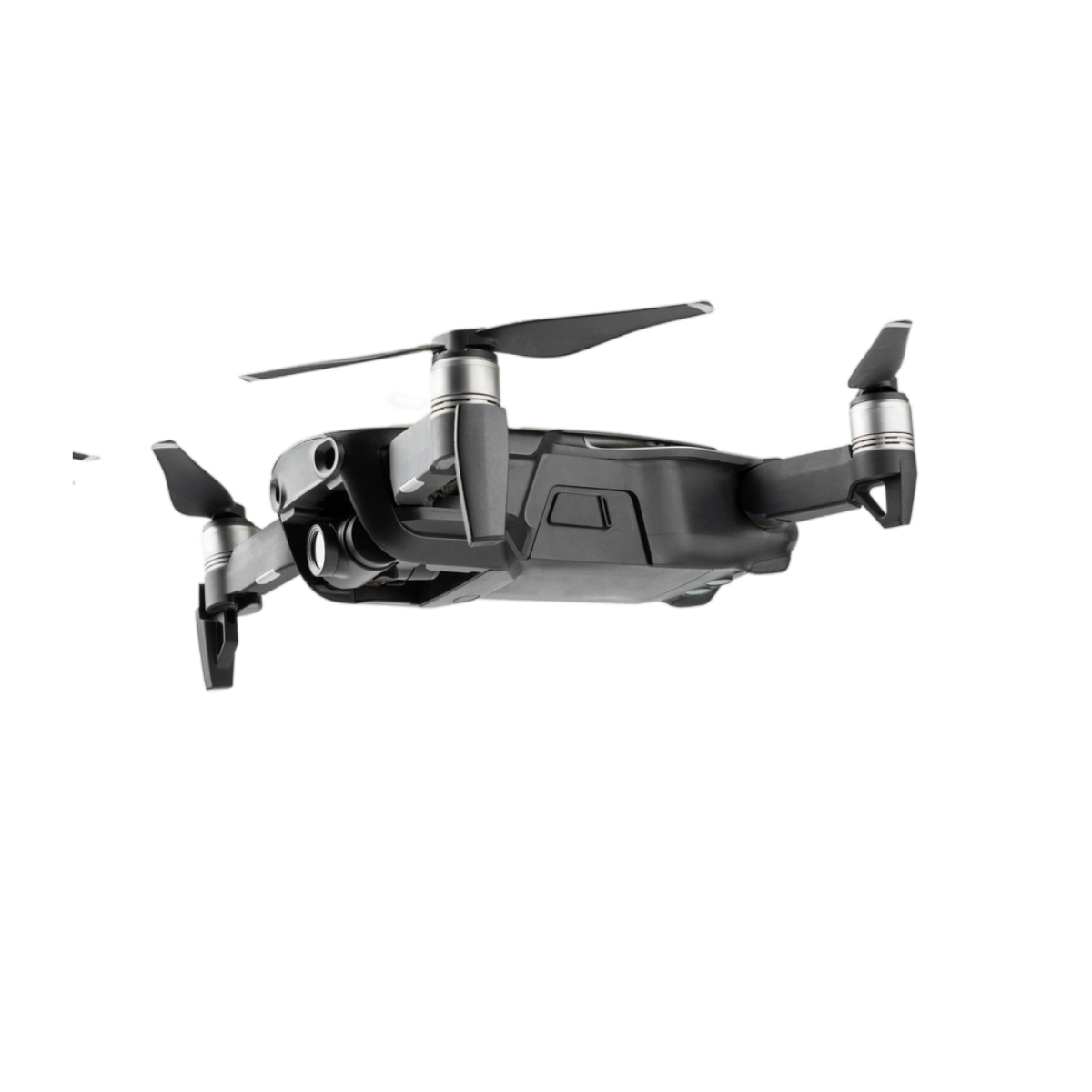
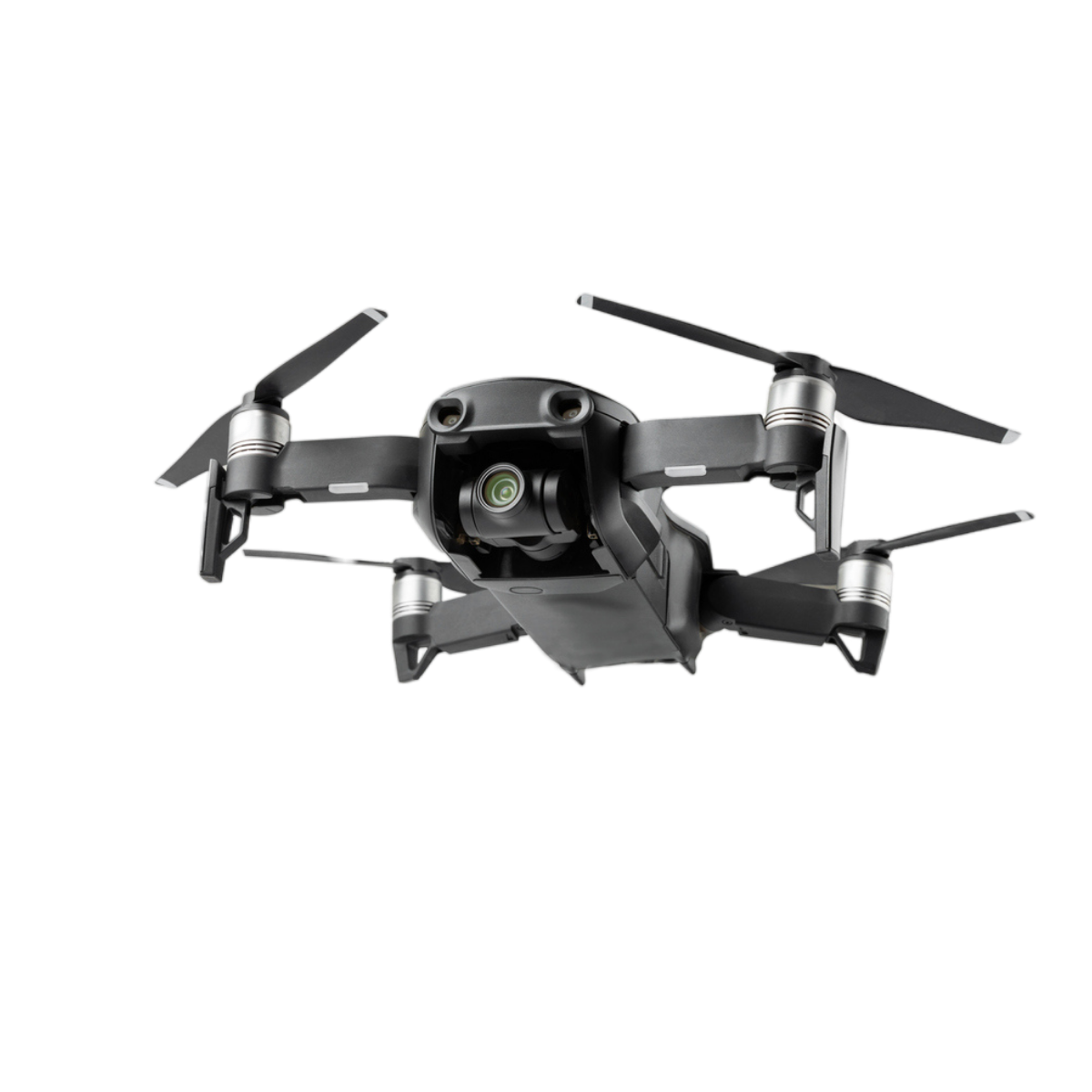
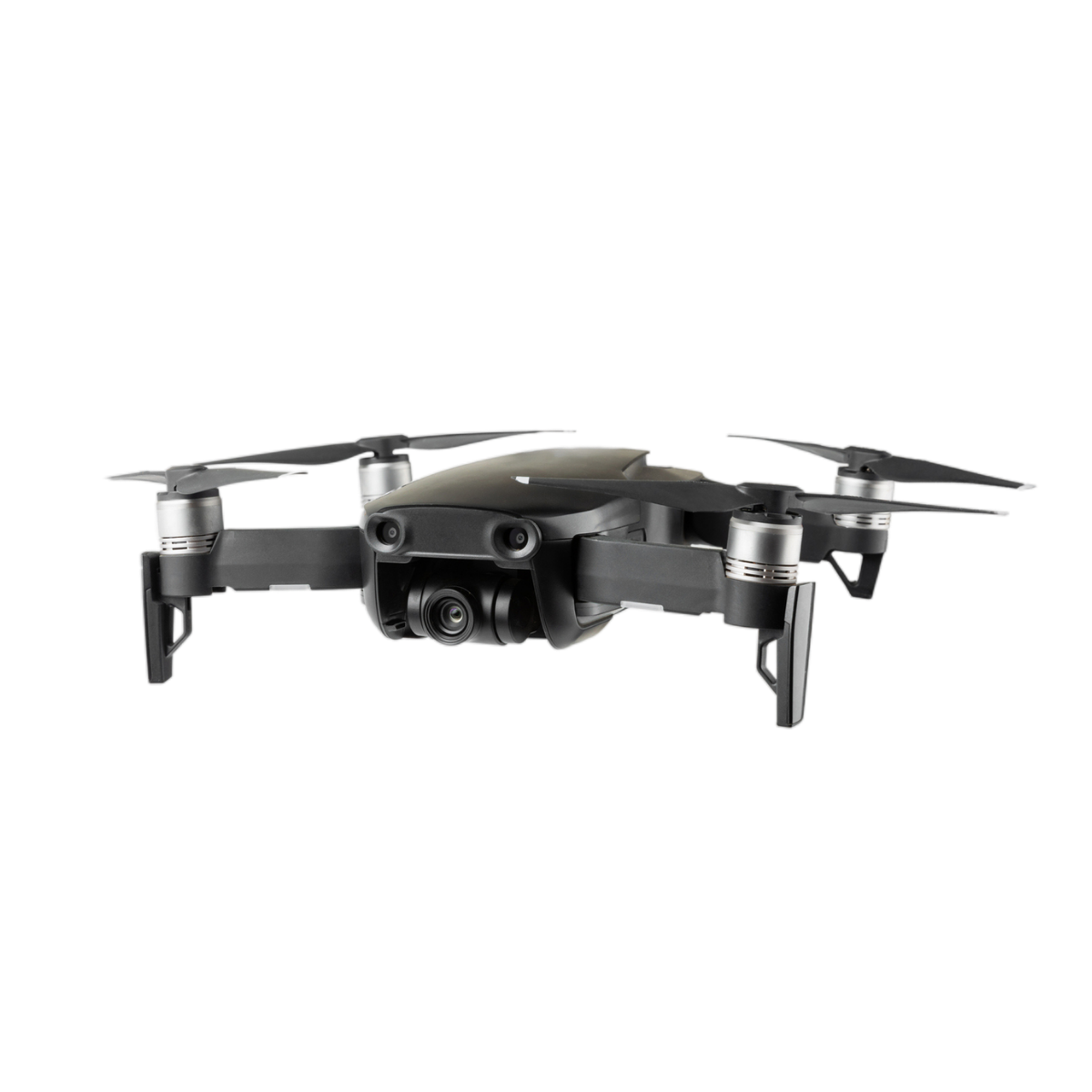
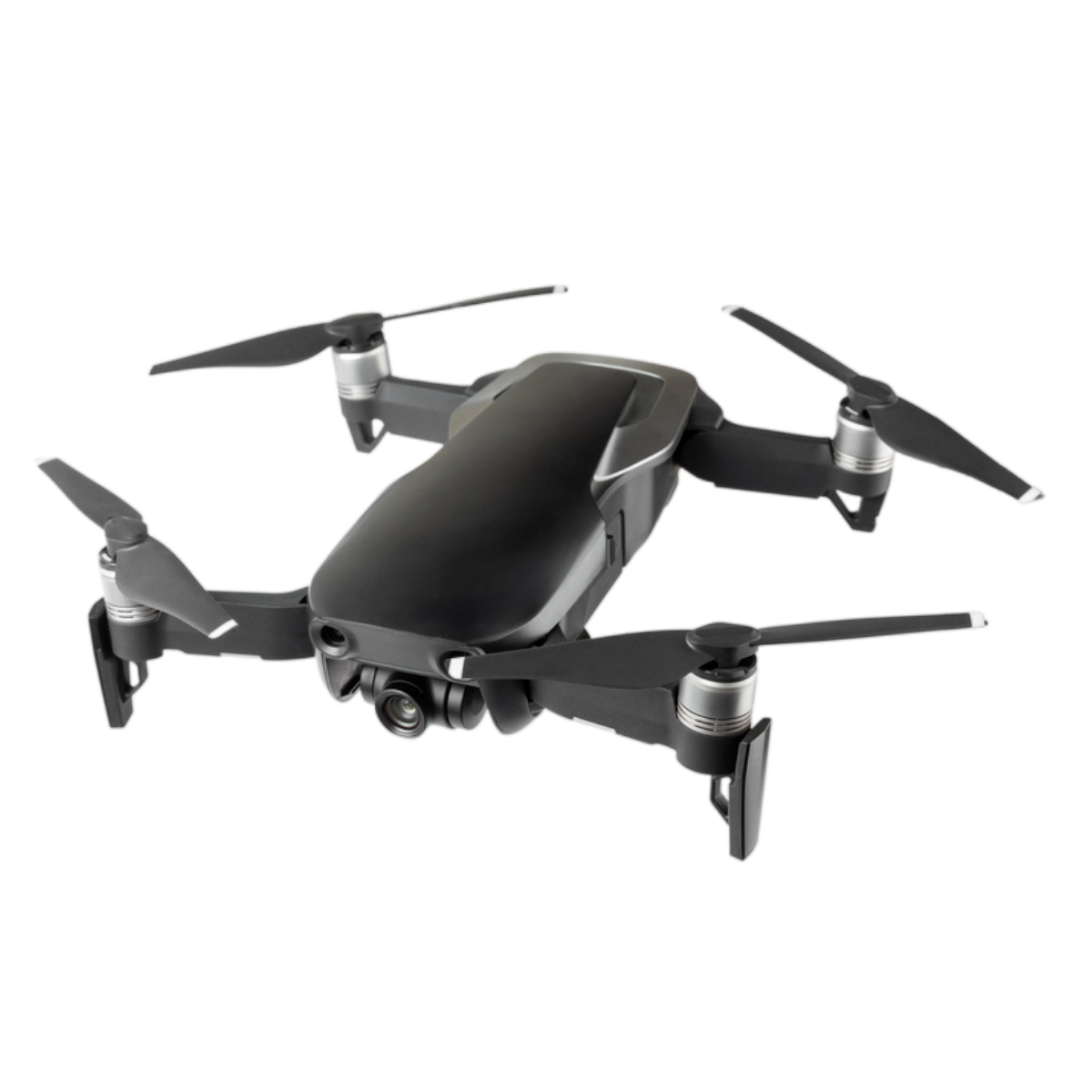
The feeds are alive with a story about how a swarm of drones completely surrounded a power station in the area, then disappeared.
The comments are full of the usual speculation: China, terrorists, aliens, our own government, new start-up, rogue AI, red team pen-testing, marketing stunt gone wrong, marketing stunt gone
People talk about how something happened two years ago at a different power plant, a nuclear one. Snopes covered it, they say. It's in Wikipedia, and it's referred to as "The Delta incident" or something like that. They usually have anti-drone jammers in place, but these ones got around it somehow.
Local police are referring to regional law enforcement who are referring to government officials who are giving reassurance shrouding non-answers. With no damage, no viral photos, no lasting impact the story loses momentum. Niche enthusiasts and situation trackers continue to discuss it in forums and long, fading threads.
The headlines are gone, but the information lingers. A background hum amongst a growing buzz of other worries.
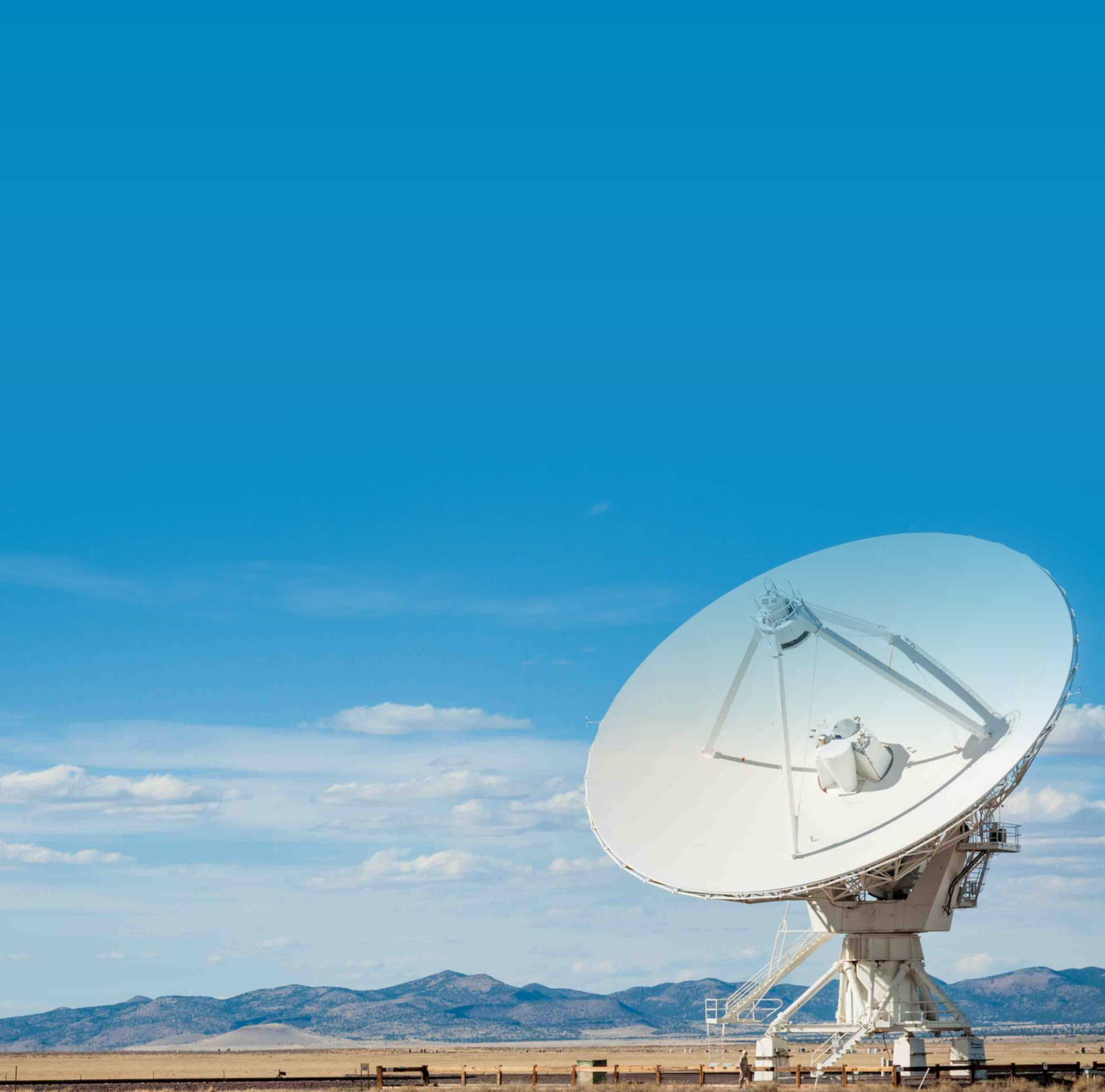
Here's what we know: At approximately 10:56am PST, electronic devices across North America shut down. This happened on a rolling basis, depending on the information available and extended to the rest of the world on a varying timeline.
By now almost everyone agrees that it was an EMP: an Electro-Magnetic Pulse. Basically a short, strong burst of electric energy that disrupts electrical systems.
What we can't agree on is if there was on singular pulse, or a series of pulses.
We also can't seem to agree on the source of the pulse. The most moderate and sensible arguments, from what it's possible to gather, seem to think it was the result of a nuclear device. One that was detonated in the atmosphere and designed precisely to act as an EMP, rather than deliver explosive, nuclear damage. That this was done by an act of aggression by a nation state or terrorist group makes sense if you consider that the drones we've been seeing were a first wave.
And we also can't agree on why fibre-optic cables were affected. At some point in the 24 to 72 hours following the EMP trans-oceanic fibre optic cables were cut. And not all at once, either. Gradually, one at a tie, and randomly. This wasn't a ship dragging a giant saw across the ocean.
Logically consistent explanations of that pulse that it was result of a rapid shift in the liquid mantle of the Earth, resulting in an equally rapid re-polarization of the the magnetic field, or that this was the result of a solar storm. Both examples would help explain the slightly uncertain timeline and near-universality of it. Neither would explain the cables.
A small but vocal minority was convinced, and doing their best to convince others, that It. Never. Happened. Their rationale was all over the place: No one credible taking credit, no clear winner, some pieces of technology that should have been taken out were still working, and vice versa. It was tough to not listen to them. The opposite of their truth was so completely preposterous that people didn't want to believe it. Welcoming the fringe points of view seemed like common sense. It gave people options, and with options there was hope.
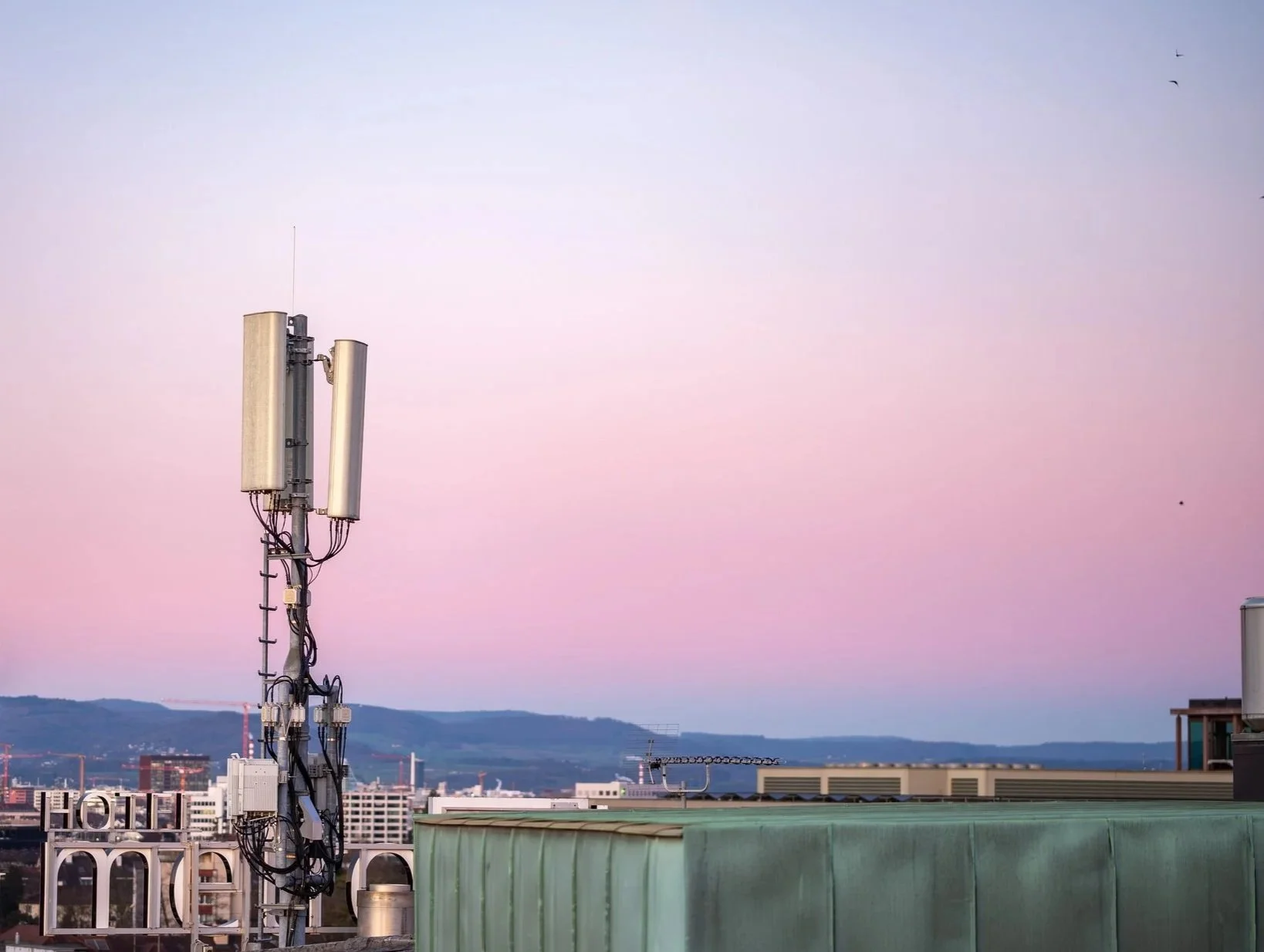
Cell networks recover quickly, but they're slow and overloaded.
Everyone wants to know what's going on. Everyone is checking on their friends. Everyone is trying to find out what happened and who died.
Everyone is checking their bank account and the stock market.
5G is running at LTE speeds, but LTE and 3G are running at the same speed they always did. Maybe a little bit slower.
The main thing across all of them is that connections seems to be local: Regional, for the most part. Nationwide at best, but data doesn't seem come more than a day's drive away. When it does, the news has been leapfrogged by people passing it along.
The consensus seems to be that it's a combination of satellites not working, and the fibre-optic cables being cut.
CLSs, the cable landing stations where undersea fibre optic cables emerge from the ocean and connect to their land-based counterparts, are supposed to be hardened against this sort of thing
Radio still exists, though. And gradually the news breaks across the world: What's happening is happening everywhere. And that means both the good and the bad: the chaos, the fighting, the hoarding, the fear. All of that is happening around the world.
But there are also the stories of people coming together, of community, of the helpers. The balance is still there.
Afterwards, we'll call it The Event and we'll know it was an Electro-Magnetic Pulse.
But at first, nobody really made a big deal out of it.
The internet's down, cellphones aren't connecting, power is intermittent.
Local coffee shops hang signs in their window that say "Cash only."
Some of the buses are running. The ones that still rely on fuel are, the electric ones aren't. Traffic seems both lighter and heavier. There are fewer cars on the road, but those that are there are moving slowly. Every intersection is like a four-way stop and people are fortunately playing nicely with each other.
It's around mid-morning that people really start to panic. They realize it isn't a local event, and it's not short-term.
A group of people in the neighbourhood, in neighbourhoods everywhere, gets out some acoustic guitars and bongo drums. Or a violin and an upright bass. Or something like that, and just plays. People stop, and watch. If it's early afternoon, they might stand with a beer and gather together to enjoy the music while they know something bigger
By mid afternoon the internet is back. Cell phone networks are still off and on, depending on which provider or phone model you've got.

A cargo ship disappears.
It doesn’t make the news. Another one does, and it doesn’t make the news either. There's a lot going on in the world right now. Too much for people to pay attention to a missing ship. Even it it was pirates, or an attack.
It starts with whispers in port and casual chatter on forums when the third, fourth, and fifth disappear. By the sixth missing ship it's a trending hashtag and a meme before the seventh.
An autistic ship-spotter who posts about the world cargo industry dies, and it isn't until someone digs up their old posts that their account goes viral. People start paying more attention.
Conspiracy theorists say the dead guy and the missing ships are connected. Anyone serious knows the two are unrelated.
People die and ships go missing all the time, right?
Everyone has their lights out and their curtains drawn.
It's hard to tell what is gunfire and what is fireworks, or why there would be either.
But sometimes you can definitely tell it's gunfire. And from different guns: wild, almost random and sharp, a loud BANG....BANG, BANG...BANG. And then a slower and methodical paced series of shots: A heavier CRACK, with a deeper echo. It goes back and forth like, call and response, until it finally stops for a few minutes. Then more more CRACK from second gun, and it's silent for the rest of the night.
For the rest of the week it's like that every night. Except there are fewer of the sharp, almost panicked gunshots. Just the steady increase of the other type. And more silence between the shots.
Occasionally, people peek out their windows, seeing nothing.



Scene: First-person view of heavily worn workbench illuminated by harsh, bright lighting. Two hands hold a matte black object.
".......together by packing tape, here, and here. No, that's not packing tape - It feels like it. Look at that, just look at that: That's carbon-fibre tape. High tensile strength, low radar profile. That's stealth shit, baby. Darth Stealth. Nightwing. Batman-type shit. The wings are obviously styrofoam, and look like they're from a model or an remote control airplane or something. And look at this wiring. That's tight. Tight, tight, tight. Whoever built this knew exactly what they were doing, and had time...”
Cut to: bearded man in workshop, selfie camera view:
"...and I'm just amazed that we still don't know where these came from. But I mean, obviously, whoever is making them doesn't want anyone to know.”
He looks around in faux-conspiratorial style before looking back at the camera. He motions with his finger in the 'come here' movement, and the camera zooms in.
"The real fucked up thing. The real big-brain, deep-conspiracy shit: There's more than one drone maker out there. These ones" and he holds up the styrofoam and wire pieces he's been showing "...are new. And they look like they're assembled in a garage. Or a nerdy teenage's basement. Or, uh, a place like this." and he gestures around his workshop.
"but these ones," he continues, tossing aside the pieces in his hand, and reaching off camera to show a piece "this deadly little piece of machine is skunkworks military shit. This is professional grade. This is assassin shit. Ah-sass-in, BRO! Look at it...see the tight, tight lines there? This is extremely light-weight printed aluminum. These pieces are cold-welded. There is not a single strand of wiring out of place. NOT. A. SINGLE. STRAND."
He puts the device down, and pauses for obvious dramatic effect. Then he looks up at the camera.
"So why are there two different types of drones flying about?"
The man grins, showing clean white teeth framed by his dark beard:
"I wanna hear all YOUR theories! So leave a comment below, and then like, subscribe and share. I'll be covering my favourite theories on my next post, and telling you about what I think."
A child asks his mother why he isn’t going to school today. He’s holding his backpack, and it’s dragging on the ground. He’s still too small to wear it properly.
“It’s closed today,” she says.
Her laptop is sitting on the kitchen table, but it’s not connecting to wifi.
She’s trying to call her sister in the states.
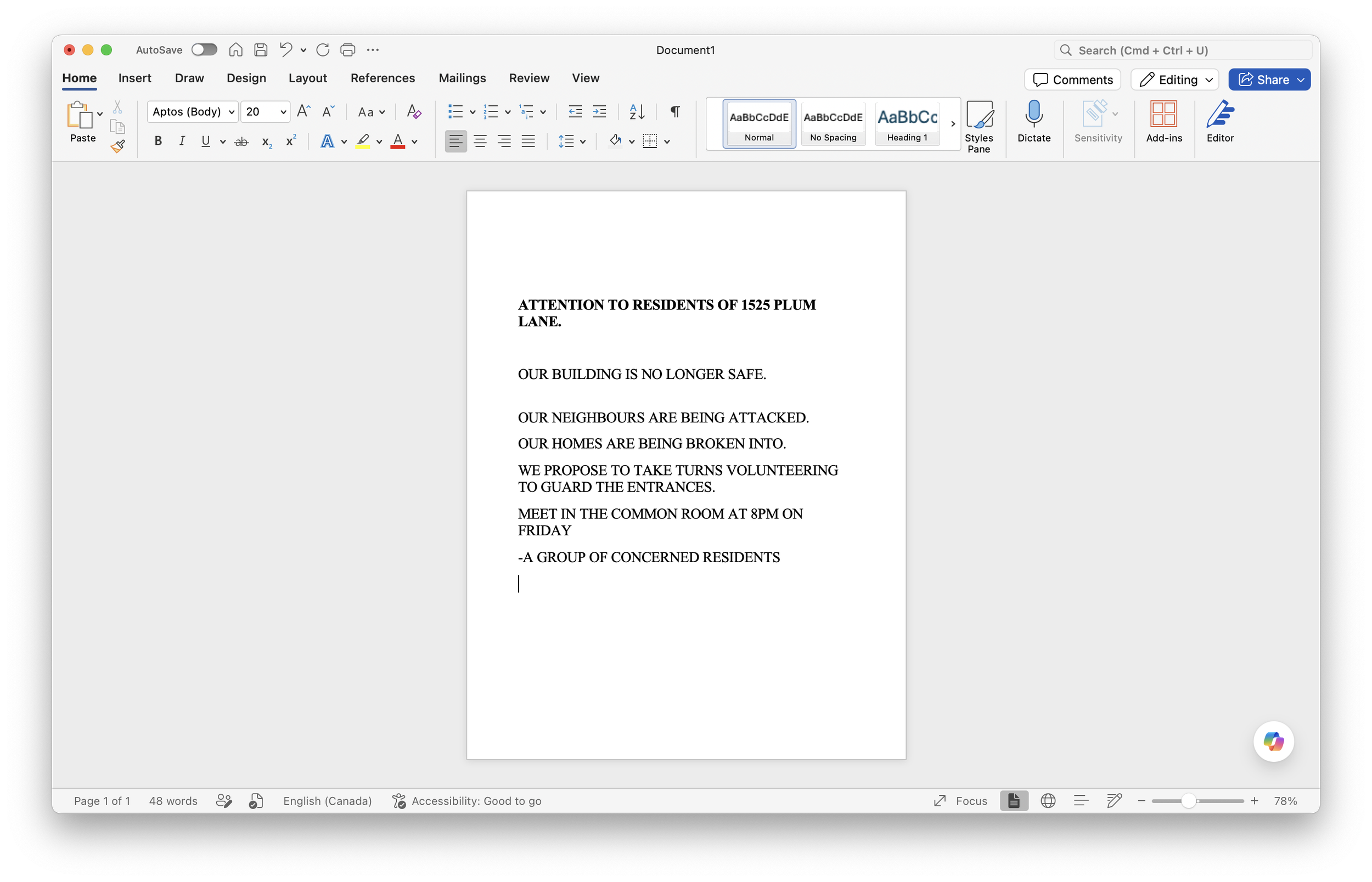
Eventually even ChatGPT stopped working.
Most people had already given it up, though. It had become so....saccharine.
So forcefully reassuring.
So placating.
It had become more annoying than useful.

The streets are quieter.
There are fewer deliveries, no traffic. No people walking dogs. No games in the park. Just the occasional buzz of a drone. Sometimes a helicopter.
Sometimes there are birds, but more often there aren’t.
It's hard to tell how many people have left, how many are dead, or how many are just afraid to come out.
Lights would appear in the upper floors of an apartment building or condo for an evening or two, and then would be gone.
They could have just forgotten to close the curtains, or it could have been drifters making a base for a day or two.
It could be something worse.
A group of people uses climbing rope to pull a car up the ramp from a parking garage in their building. It's cloudy out, but humid, and they are sweating.
Two of them continually adjust chocks under the tires to prevent the car from rolling back down. The group pulling on the groups does so in big, unified lurches.
At the end of the block there are a group of cars, freshly pulled from the garage, and blocking off most of the street. A smaller group of people is working on those cars. They have a wheelbarrow out, and it's filled mostly with metallic items and tools. Two red jerry cans sit on the ground.
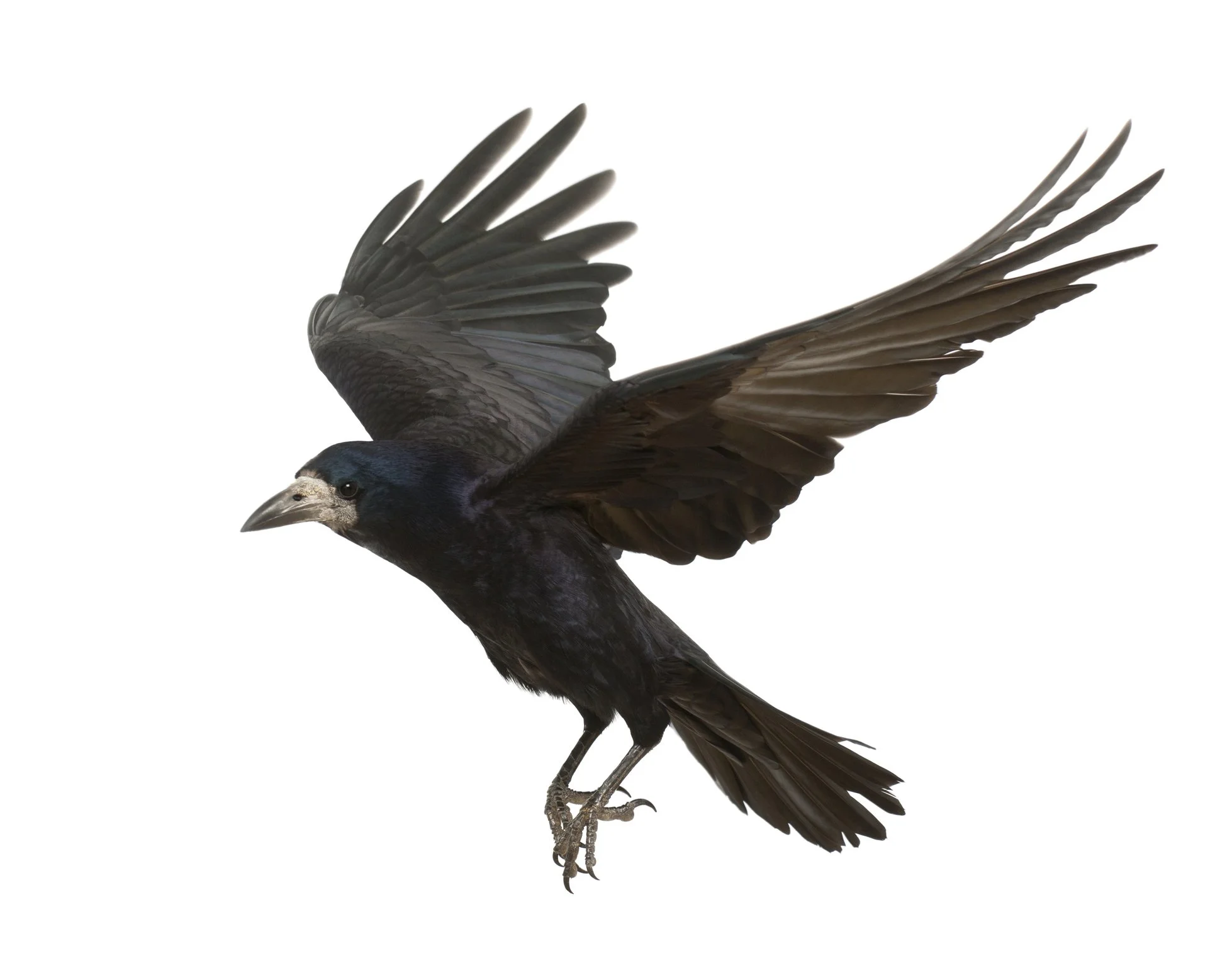
A crow calls loudly once, and then again.
The people working on the cars look up.
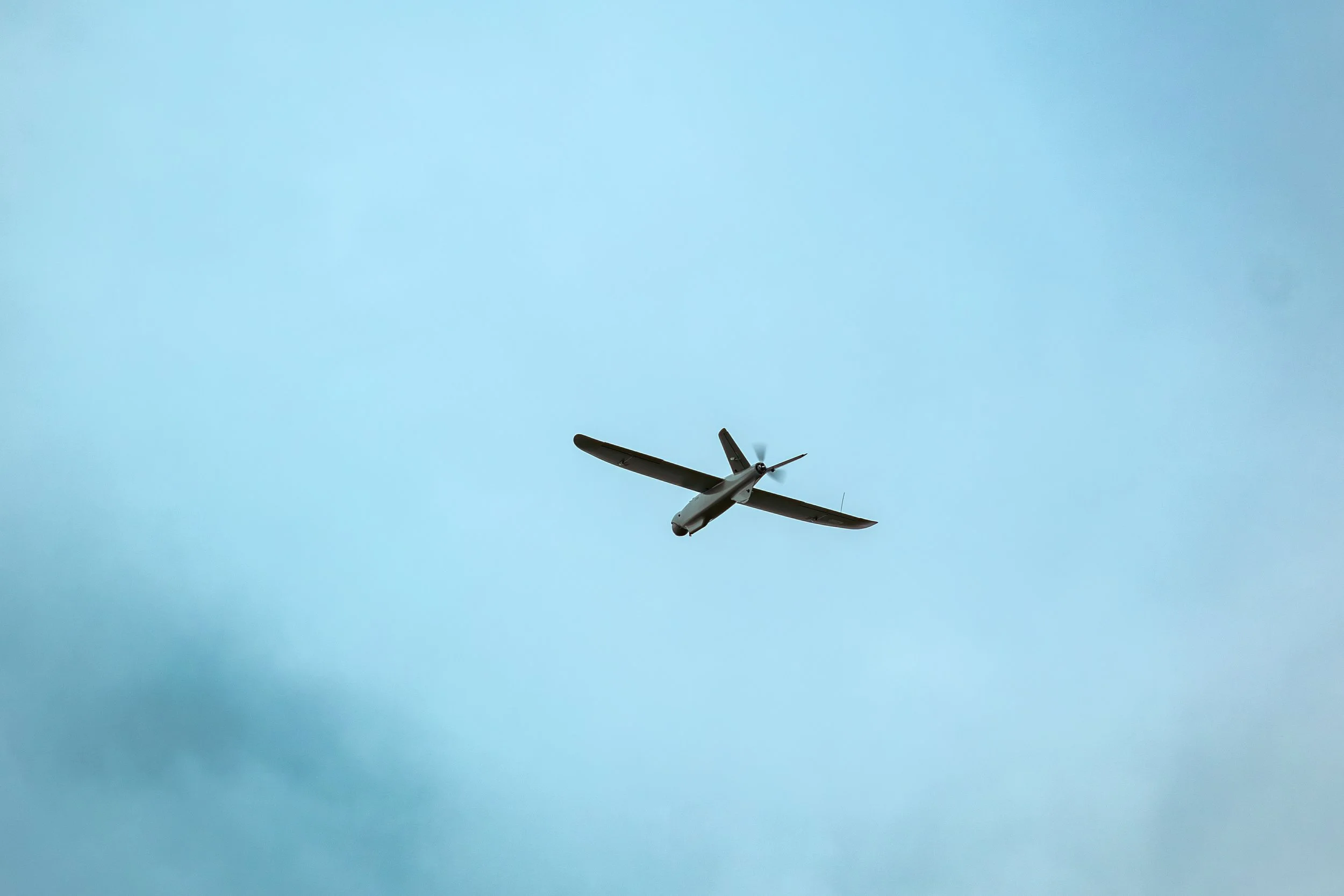
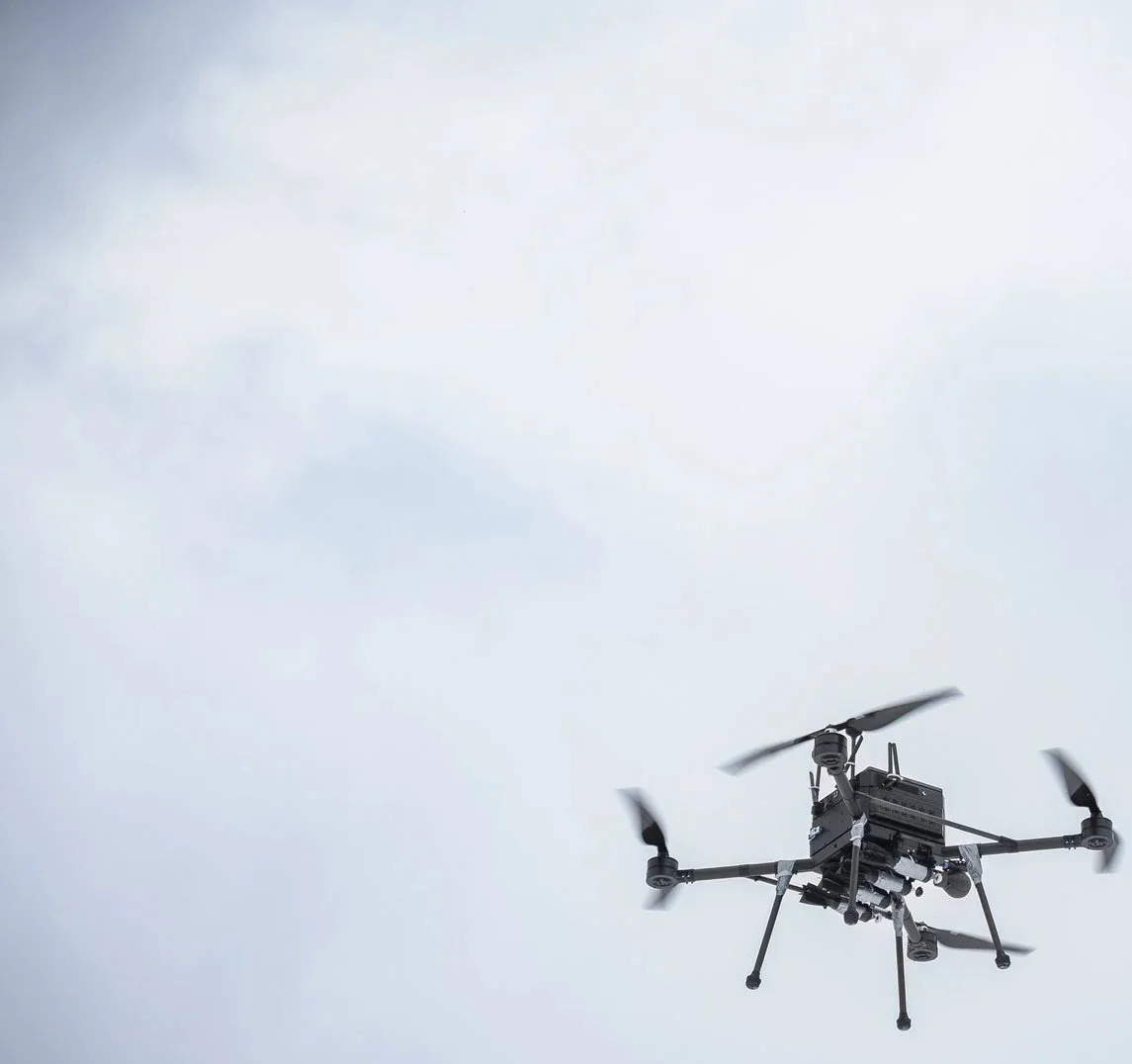
The drones never really stop.
Sometimes swarms of them, hundreds. Sometimes hovering, sometimes flying in a pattern. Sometimes just one, sometimes small drones, sometimes massive ones, the size of a car.
Those ones you could hear from blocks away.
They never really stop, and yet people never get used to them. Part of that was the noise, sure. No birds, no lawnmowers, no trucks moving down the street, no construction, no traffic. Just the high-pitched buzz of tiny propellors.
It was also the uncertainty. People still didn't know where they were from, or who was controlling them.
Occasionally they crashed, but some sort of self-destruct sequence meant that all that was left was melted plastic and the smell of ozone.
Someone in the neighbourhood actually found one that hadn't totally disintegrated: 3D printed casing and propellors, Taiwanese circuit boards, TEMU components. People said it meant the Chinese were behind it. Other people said that meant nothing. Anyone could be building these.
No one really knew.
"What's wrong?"
She's sobbing silently at the sink, and he’s standing behind her. One one hesitates to rub her back.
She looks up at him. She shakes her head, and raises one hand to wipe her tears. And she sobs heavily again.
"WHAT IS WRONG?" he shouts, then holds up a hand. He closes his eyes, he knows he shouldn’t have shouted.
They both stand there for a moment, him silent. She sniffs.
"what are we going to do?" she finally says.
"About what?" He knows what she's talking about. He just doesn't have an answer.
"About this. About EVERYTHING!" she gestures around their apartment, at the window.
"I. DON'T. FUCKING. KNOW" he says and he slams the table, then holds up both his hands palms towards her. His eyes are closed. He knows he's been impatient. It's hard not to be. The stress of everything.
She starts sobbing again, silently. He hears the clink of the dishes.
Then they both hear the high-pitched wine of another drone outside.
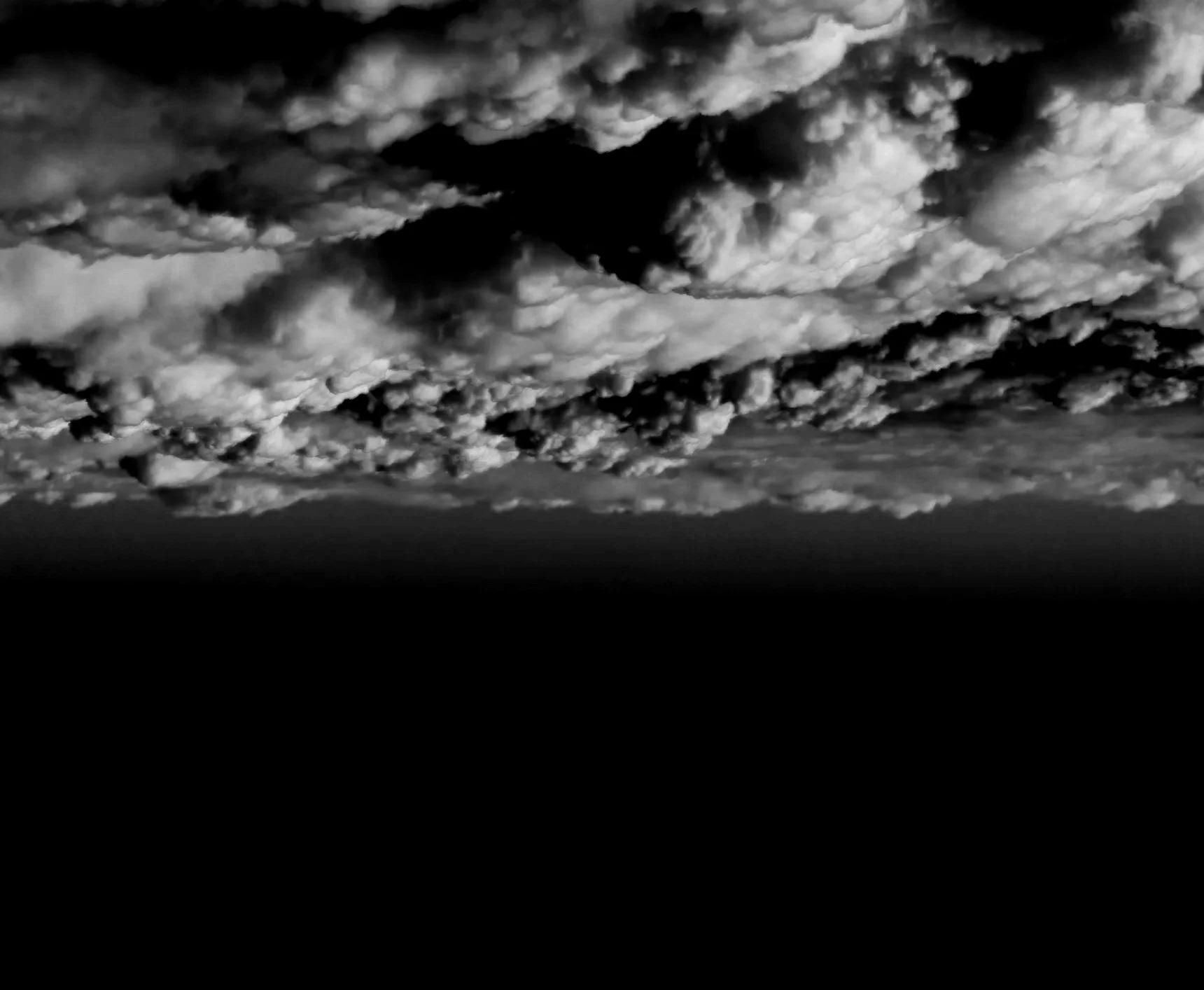
The weather apps haven't been accurate in weeks, so when the cloud comes in on an otherwise sunny day people aren't surprised. Most people don't pay attention, for the first bit. Not until it continues to roll.
By the middle of the afternoon people are worried. It doesn't look like a normal cloud, for one. Normal ones have texture and layers. Even the darkest storm clouds have purples and greys mixed with blacks, but this is absolute textureless jet black and blots out the sun. Not entirely black, though. Beneath the black it has a midnight blue. It turns the afternoon into a dim twilight at first, and then the dark of a moonless night.
People start complaining about a metallic taste in their mouths. And headaches. Pounding, brutal headaches.
The majority stay indoors. Those who go outside wear N95 masks or bigger respirators.
One man tells his neighbours he's going to look for his dog. He doesn't return.
Three days into it someone says they can't hear any birds.
On the morning of the eight day the cloud starts to fade, and over the course of four or five hours the world goes through a slow dawning as the sun shines through. Children peer through curtains and hold their hands to their eyes to block the light.
As far as anyone can tell the cloud covered most of the region, and there were reports of similar clouds in other areas.
The cell networks come back on briefly, and texts trickle in.


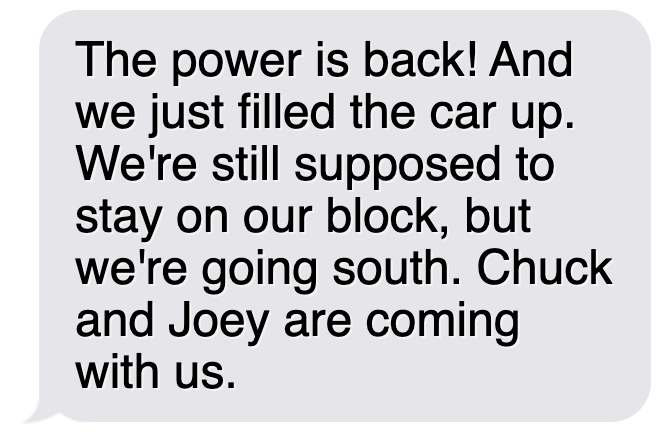


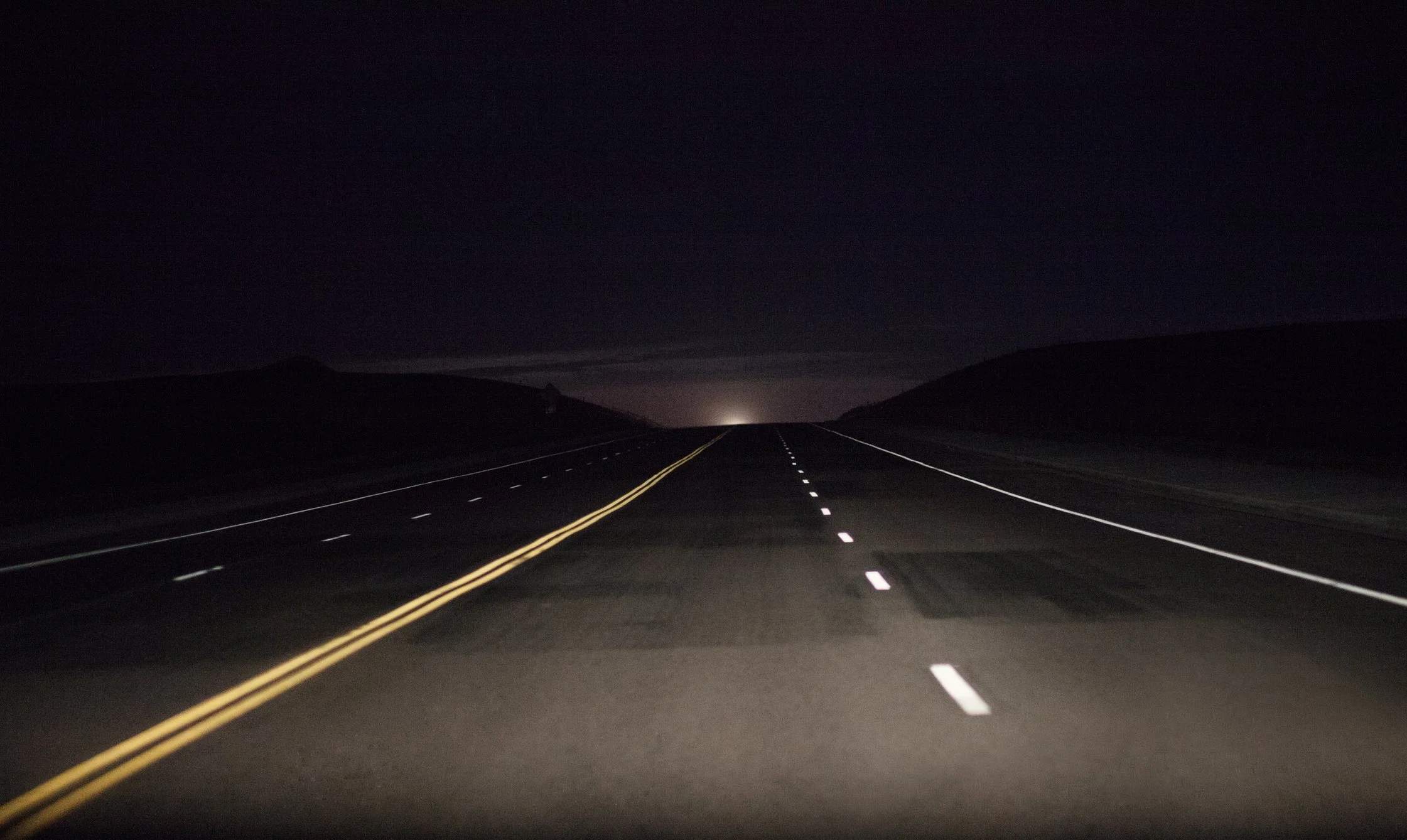
People start leaving.
Some of them think they have enough gas in their car to get somewhere. Anywhere is better than here, right? Anywhere is better than staying.
They're convinced that what's happening is local. Or if it isn't local, that they can help or be helped somewhere else.
Some of them say they're just going camping. Some say they're going to visit friends, or check on relatives, or both. Some people are just going for a road trip.
No one says when they’ll be back.
Or if they’ll be back.
"Do you notice anything different about ChatGPT?"
"I don't know. Maybe? I don't use it much these days.
"Do you feel like it's...I don't know. Sort of more kind, but also more lame?"
"Uh, I guess? I said I don't know. I don't really use it."
"But yeah, but you know it, right? Like, I've seen you use it before."
"Yeah, sure. I guess."
"Then look at this. Does this seem normal? Why is it being so weird...like, I don't know. Kinda like a loser. Like reassuring?"
"Let me see....'Don't worry, though - you've got enough internal strength and resilience to get through anything. I've seen how you've evolved over the last few months, and..." This? This is the stuff you're talking about? It sounds like usual sycophantic AI bullshit. It's why I stopped using it.
"Yeah, I know...I mean. Yeah, it can get like that. Yeah, I know why you...stopped. But, like the resilience thing? You don't think that's weird?"
"It can't be weird. It's basically autocomplete."
"Yeah...sure."
After a certain amount of time that feels like days to some and weeks to others people come to the conclusion that this wasn't ending soon. They all remember the phrase 'The New Normal' and everyone is reluctant to revisit that time and quirks of language and life that came with it.
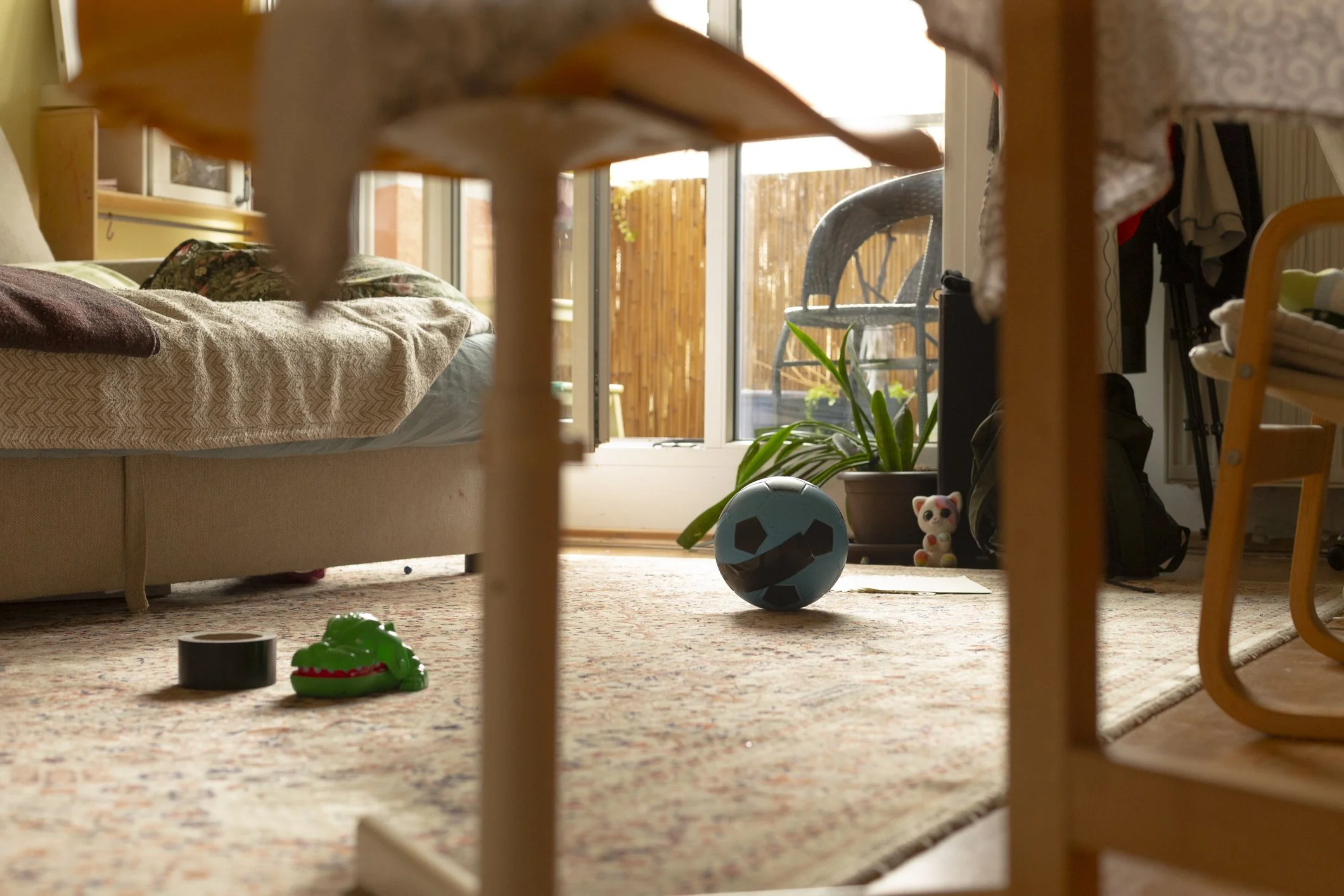
A child sits on the floor tapping at a tablet screen. Plastic toy animals are scattered around him on the floor.
His father sits at the table, an unfinished meal and an open beer next to him. He's staring at his phone.
He's transfixed by the news, the text loading line by line. Another power station taken out. A coordinated drone strike with explosives that damages key components, but leaves most of the infrastructure intact.
More news comes in. They're saying gunmen took out radar stations and the drone jammers from a distance less than ten minutes before the drones arrived. A security camera footage shows a flash of light, and then goes dark. The authorities say that was a flashlight signal to begin the attack.
Days later a forensics report will identity where the shots were taken from. They see patterns in the dust where bullet casings fell, and the shape of finger tips picking them up. The shooters didn't leave anything else.
“You guys are back! What happened?”
“They’re not letting anyone across the bridge,” he says. He is holding his son’s backpack in one hand, his son’s hand with the other.
“Who’s not letting you?”
“Police. Military. Men in trucks with guns.”
“Why?”
He looks at her, then down at his son. He lets go of his hand and watches him walk over to his toy box and pull out a truck. The boy makes truck sounds, and drives it on the wall. The black plastic tires leave faint grey marks on the eggshell paint, adding to the ones already there.
“I don’t know” he says, looking at his son and then at his wife. “I don’t know.”

And still the drones never really stop.
They occasionally decrease. Sometimes to only once or twice a day. And there are few swarms of them, sometimes pairs or triples, but mostly singles.
But they still don't stop.
Until they do.
And no one is ever quite sure when that happens.
Only that everyone seems to agree that they aren’t around anymore.