
Turn Online Activity into Offline Action
The Obama presidential campaign was one of the most successful social media campaigns to date. Last month I went to see Rahaf Harfoush speak about her time spent in the "trenches" as a member of Obama's new media team. She gave a good overview of how a variety of online tools and applications were used to rally supporters, build awareness and raise funds. Rahaf emphasized one important theme which was featured in every online initiative. It was simple: aim to turn online activity into offline action. It's one thing to rally online support for something or someone, or have a huge number of fans, followers or friends, but it's a lot harder to turn that momentum into something meaningful offline.
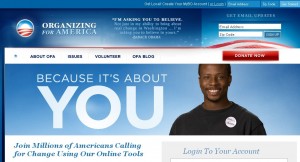 The Obama camp did a great job of this. MyBO (my.barackobama.com) was launched early in the primaries to unite communities and supporters already active online. The site grew to over 2 million profiles and 35,000 volunteer groups. This activity translated into 200,000 offline events and over 35 million dollars raised by personal fundraising pages alone. The new media team also used a number of other social applications including YouTube, Facebook, MySpace, LinkedIn and Twitter to build support and provide fans with shareable content. This helped get Obama's message out and also directed traffic to MyBO, where fans could be converted to volunteers. High levels of engagement with supporters led to millions of dollars of small donations. By building strong online communities, divided by region, Obama's team could spring into action offline whenever and wherever they needed to.
Other successful campaigns have also benefited by keeping this rule in mind:
Dunkin' Donuts uses its Facebook page to bring fans together to share pictures and videos of themselves expressing their love for DD. It also uses Dunkin' Run, a site where customers alert their friends and co-workers when they are about to make a "run" and invite them to submit items to their order. This activity has created a sense of community online and also increased DD's in-store sales.
BlendTec made a series of inexpensive "Will it Blend?" videos, which are housed on its YouTube channel. The videos generated hundreds of thousands of views and led to a 700% increase in sales.
Starbucks launched its My Starbucks Ideas site where members can share ideas, give suggestions, vote and chat. The aim was to tie Starbucks fans closer to the brand and allow them help "shape the future of Starbucks". By also adding an "Ideas In Action" section, contributors can see the suggestions that earned the most votes and which ones will be called to action offline.
Canada Dry Mott's recently launched a Facebook page and Twitter account to energize fans and followers around their goal of making the Caesar Canada's official drink. Not only are they becoming more engaged with their community, but they also have a clear goal of 50,000 signatures before they can take their petition to Parliament Hill. This campaign is still young, but looks like it may develop a strong following.
In your next online campaign or initiative, remember to ask yourself how it will translate towards your online goals.
Do you have any other examples of campaigns that have succeeded by employing this strategy?